
What is Money? A Short Recap on How We Buy & Sell
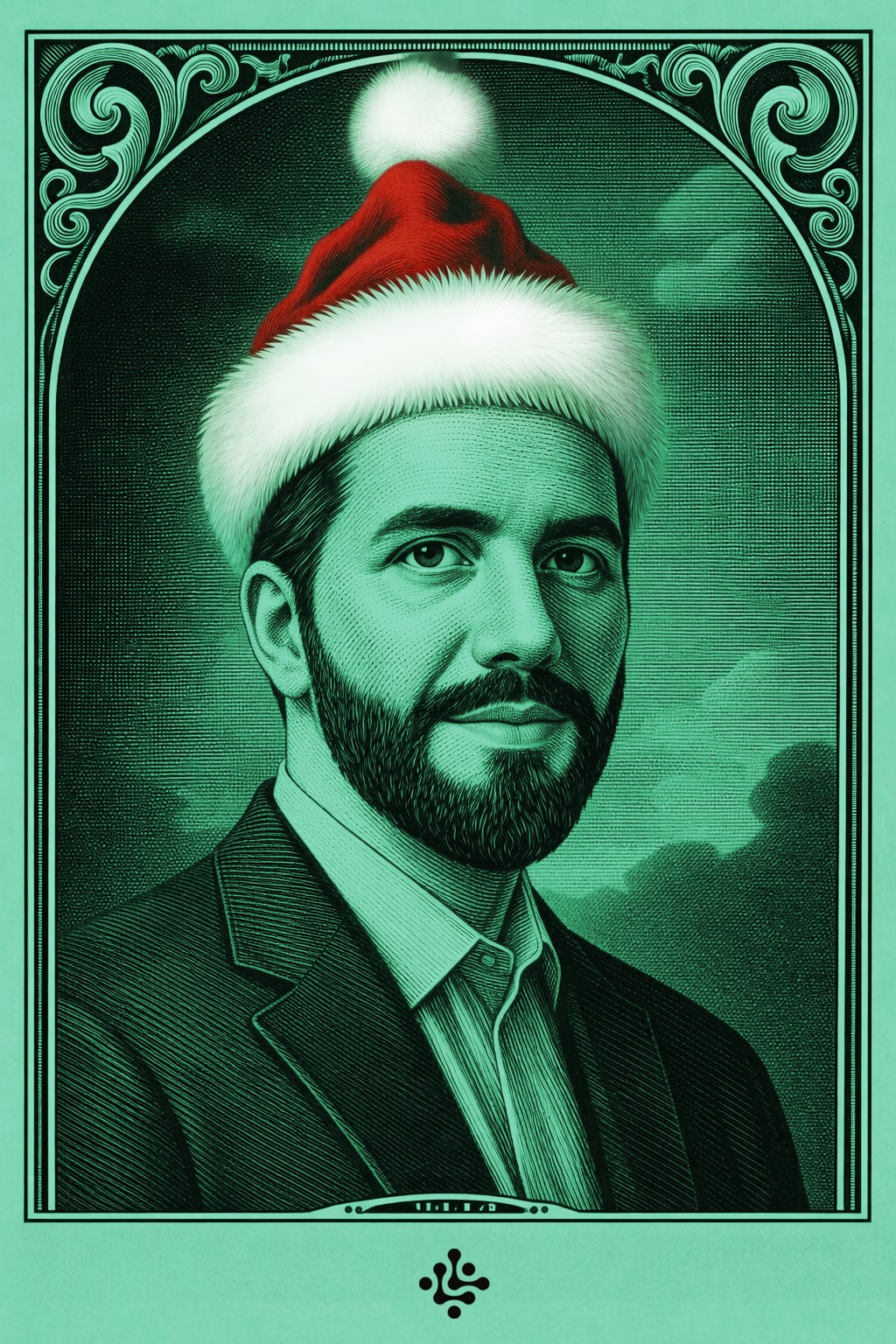

Money has changed a lot over thousands of years, starting with people trading goods, then using shells and metals, later moving to coins and paper, and today becoming mostly digital. Aristotle explained that good money should last a long time, be easy to carry, divide, recognize, and have a limited supply, ideas that still help us judge modern money like cash, bank accounts, cryptocurrencies, and tokenized assets. Digital forms of money, especially Bitcoin and tokenized assets, now use cryptography to create trust, scarcity, and transparency in ways older money could not. As the world becomes more digital, money will keep evolving to move faster, work globally, and be controlled more directly by users, with instant payments, AI-powered automation, and programmable financial tools shaping how we trade and store value in the future.
How Did The Concept Of Money Originate?
Money has been around for thousands of years, and it didn’t start as coins or paper like we have today. Long ago, people traded goods directly, like swapping grain for tools or animals for clothes. But this was hard because both people had to want what the other person had. To make trading easier, people began using special objects, such as shells, beads, or pieces of metal, that everyone agreed had value. These early forms of money helped people trade more fairly and more easily.
Building on this, as societies grew, metal money became more common because metals like gold, silver, and copper were rare, easy to shape, and lasted a long time. Kings and governments began making coins with stamps on them to show they were real and had a set value. Coins made trading safer because people trusted that the stamped metal had worth. This was an important step in the history of money, as it helped build bigger markets and stronger civilizations.
To address these limitations, carrying lots of heavy coins became difficult, especially for long trips or big purchases. To solve this problem, people started using paper money. At first, paper money worked like a receipt that promised the holder could trade it for gold or silver stored in a bank. Over time, governments began printing paper money that no longer needed to be traded for metal. Instead, its value came from people trusting their government to protect and manage the money supply.
Today, money continues to evolve. We use digital money like online bank accounts, credit cards, and even cryptocurrencies. People can send money across the world in seconds without using any physical coins or bills. While the tools have changed a lot over the last 6,000 years, the purpose of money has stayed the same: it helps us trade, save, and measure value so our communities and economies can work smoothly.
A Look At Aristotle’s Perspective On The Qualities Of Good Money
A long time ago, the ancient Greek philosopher Aristotle said that good money should have a few important qualities. He explained that money should be durable (it must last a long time), portable (easy to carry), divisible (you can break it into smaller pieces), uniform (every piece looks and works the same), limited in supply (not too much of it exists), and widely accepted (people agree to use it). These ideas helped people understand what makes money useful and trustworthy, no matter where or when they lived.
If we look at today’s money, like cash, bank accounts, and digital payments, we can still see Aristotle’s ideas at work. Paper money is easy to carry and divide into smaller amounts, but it can wear out and its supply can change a lot depending on government decisions. Bank money is convenient but depends on technology and requires trusting banks to keep good records. Not every type of modern money perfectly fits all of Aristotle’s qualities, which is why people sometimes look for better options.
Now we also have cryptocurrencies like Bitcoin, which are digital but still match many of Aristotle’s qualities. Bitcoin is durable because it exists on a computer network and cannot rot or break. It is portable because you can send it anywhere in minutes. It is divisible because you can split it into the smallest unit denomination of Bitcoin, like cents to a dollar. These small units of Bitcoin are called “Satoshis.” It is uniform because every Bitcoin works exactly the same. And it has a limited supply, which is protected by math and computer rules instead of governments. This gives it a type of trust that comes from technology rather than human decisions.
Tokenized assets, like digital versions of real estate, gold, or company shares, also show how Aristotle’s ideas fit into today’s world. These tokens can be divided easily, traded instantly, and verified through cryptography so everyone can see they are real. Cryptographic proof creates digital scarcity and transparency, meaning people can trust that the asset is not being copied or faked. In a world of digital money, cryptocurrencies, and tokenized assets, Aristotle’s ancient ideas still help us understand why certain forms of money work better than others, especially when technology makes them safer, clearer, and easier to use than ever before.
How Will Money Continue to Evolve as the Economy Goes Digital?
As the world becomes more digital, money will continue to change in ways that make it faster, easier, and more flexible to use. In the past, money shifted from metal coins to paper bills, and later to credit cards and online banking. Now, with nearly everything happening through phones and computers, money is becoming something that can move instantly across the globe without needing to physically exist. This means that more payments, savings, and financial tools will rely on digital systems instead of the old paper-based or bank-only methods people used before.
One major shift is that digital money can move and update in real time. Traditional payments often take days to settle because banks must check records and confirm transactions manually. But digital systems, especially those built on blockchains, let money settle in seconds. As more of the economy moves online, from shopping to remote work, people will expect their money to keep up. Autonomous AI agents will create an always-active, agent-to-agent economy where money moves automatically, instantly, and constantly, reshaping how value is exchanged in a fully digital world. Just like messages can be sent instantly, payments will also become instant, running 24/7 without holidays or delays. This creates a smoother and more global economy where distance matters less than ever before.
Another change is that digital money will give people more control. Instead of relying only on banks, individuals will be able to store, send, and manage their money through digital wallets they control themselves. Cryptocurrencies and tokenized assets already allow this, letting people hold digital versions of money, property, or investments securely on their own devices. These tools use cryptography to prove ownership and prevent fraud, making money safer and more transparent. As technology improves, more people will use these systems because they offer security without needing to trust a middleman.
Finally, new forms of money, like cryptocurrencies, stablecoins, and tokenized assets, will reshape how the entire financial system works. Governments may create their own digital currencies, businesses may issue tokens representing shares or services, and people around the world will be able to trade value instantly regardless of location. Automation will also grow, with smart contracts handling payments, payroll, lending, and investing without human errors. As the economy becomes fully digital, money will become more programmable, more connected, and more open to everyone. Instead of being just something we use, money will become a flexible tool that adapts to people's needs in a global, digital world.