
Articles & News
Here you will find the latest news and press that pertains to all things LIQUIDMANZANA.

Primary Markets vs. Secondary Markets for Tokenized Assets
Primary Markets vs. Secondary Markets for Tokenized Assets explores the distinct roles these markets play throughout the lifecycle of tokenized real-world assets, from initial issuance and capital formation to subsequent transfers and price discovery. It also examines how blockchain infrastructure, smart contracts, compliance, custody, and market conditions can support primary and secondary market activity while emphasizing that tokenization itself does not automatically create liquidity.
The Complete Lifecycle of a Tokenized Real-World Asset
The Complete Lifecycle of a Tokenized Real-World Asset provides an overview of the key stages involved in transforming a physical or traditional financial asset into a blockchain-based digital asset. It explores the process from asset identification and legal structuring through token issuance, ongoing management, secondary transfers, and eventual redemption, highlighting the legal, technical, operational, and regulatory considerations involved at each stage.
How Tokenized Assets Move Through Financial Markets
How Tokenized Assets Move Through Financial Markets examines the journey of tokenized real-world assets from initial structuring and issuance through distribution, secondary transfers, settlement, custody, and eventual redemption or maturity. It explores how blockchain technology can provide an additional infrastructure layer for recording and transferring value while operating alongside the legal, regulatory, and operational frameworks of traditional financial markets.
Public vs. Private Blockchain Infrastructure for RWAs
Public vs. Private Blockchain Infrastructure for RWAs examines the differences between public and private blockchain networks and their respective roles in the tokenization of real-world assets. We explore the advantages, challenges, and potential use cases of each approach while highlighting how hybrid blockchain models may help support the evolving needs of digital asset markets and enterprise adoption.
The Global RWA Market: Size, Growth, and Future Outlook
The Global RWA Market: Size, Growth, and Future Outlook explores the growing role of tokenized real-world assets in the evolution of global financial markets. It examines the current state of the RWA ecosystem, the factors driving institutional interest, the challenges that remain, and how continued advances in blockchain technology, regulatory frameworks, and market infrastructure may shape the future of tokenization.

Building Digital Asset Systems Like a Formula 1 Car
Building Digital Asset Systems Like a Formula 1 Car uses the engineering and teamwork behind Formula 1 to illustrate why high-performance digital asset infrastructure requires more than speed or blockchain technology alone. It highlights how custody, compliance, cybersecurity, governance, monitoring, settlement, and specialized teams must work together to create digital financial systems capable of operating consistently and responsibly under real-world conditions.
Understanding Digital Asset Custody Models
Digital Asset Custody explores how self-custody, third-party custody, and hybrid models address the access, control, security, and management of blockchain-based assets. It also examines the role of custody within tokenized real-world asset ecosystems, emphasizing that effective custody must operate alongside legal ownership structures, regulatory compliance, cybersecurity, governance, and clearly defined token-holder rights.
The Emerging RWA Value Chain
The Emerging RWA Value Chain explores the growing ecosystem of participants and infrastructure required to bring real-world assets onto blockchain-based financial systems. It examines the roles of asset origination, legal structuring, tokenization technology, compliance, custody, distribution, data, and interoperability in creating an integrated framework for issuing, managing, and transferring tokenized assets.
Digital Assets and Financial System Evolution
Digital Assets and Financial System Evolution explores how blockchain technology and digital assets may become part of the infrastructure supporting modern financial markets rather than replacing traditional financial systems. It examines the expanding role of tokenization, custody, regulated intermediaries, and real-world assets while emphasizing the importance of regulatory development, cybersecurity, and responsible integration with existing financial infrastructure.
Turning Physical Value into Global Liquidity
Turning Physical Value into Global Liquidity explores how the tokenization of real-world assets is creating new ways to digitally represent and manage physical assets using blockchain technology. The article examines how tokenization may improve operational efficiency, enhance transparency, and support broader market participation while emphasizing the legal, regulatory, and governance considerations that remain essential for sustainable adoption.
The Business Behind Tokenization
The Business Behind Tokenization explores the business, legal, operational, and regulatory foundations that support the tokenization of real-world assets beyond the underlying blockchain technology. We examine how strategic planning, governance, compliance, and ongoing asset management contribute to the successful development and long-term sustainability of tokenization initiatives.
The Expanding Role of Crypto Digital Assets
The Expanding Role of Crypto Digital Assets explores how blockchain-based assets are evolving beyond cryptocurrency trading to become part of emerging financial infrastructure, including payments, tokenization, custody, settlement, and digital ownership. It also examines the developing U.S. regulatory landscape and how greater regulatory clarity, technological maturity, and integration with traditional financial systems may shape the future role of digital assets.
Digital Farmers
Digital farmers: The Framing of Participation in Digital Asset Systems examines the “digital farmer” metaphor as a way of presenting participation in digital asset markets through concepts of cultivation, patience, and long-term development. It also highlights the limitations of this simplified framing, emphasizing the importance of platform due diligence, infrastructure, execution, market volatility, and risk when evaluating participation in digital asset ecosystems.
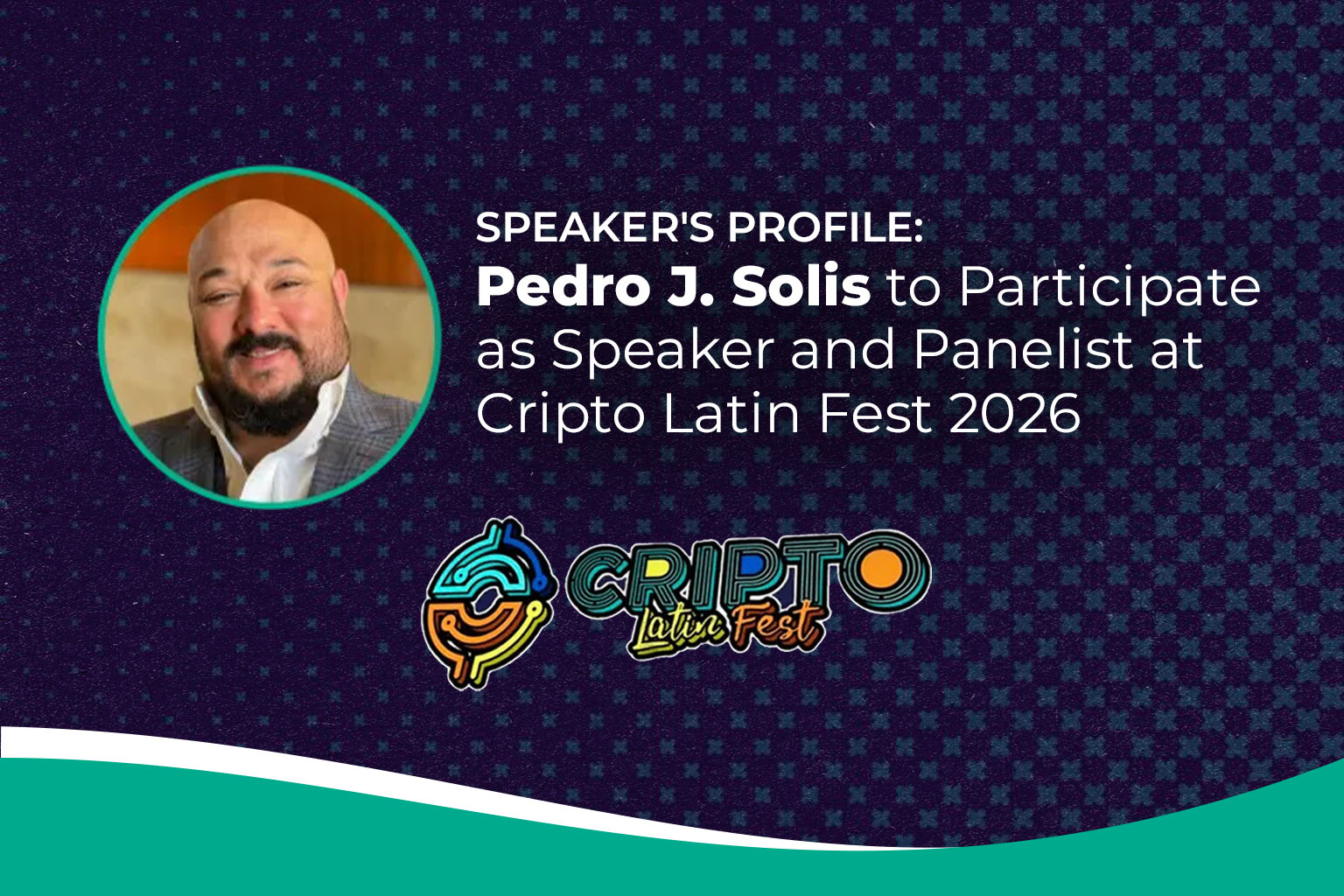
Speaker’s Profile: Pedro J. Solis to Participate as Speaker and Panelist at Cripto Latin Fest 2026
Speaker’s Profile: Pedro J. Solis to Participate as Speaker and Panelist at Cripto Latin Fest 2026 highlights Pedro J. Solis's upcoming participation at Cripto Latin Fest 2026, where he will discuss tokenization, Real-World Assets (RWAs), and the practical applications of blockchain technology. This article also provides an overview of his professional background and the topics expected to be explored during one of Latin America's leading blockchain and digital asset conferences.
LiquidManzana to Participate in Cripto Latin Fest 2026
LiquidManzana will participate in Cripto Latin Fest 2026, where it will sponsor the VIP area, host interviews in the Liquid Labs Podcast space, and contribute to discussions on blockchain, digital assets, and the evolving digital economy. Co-Founder Pedro J. Solis will attend the event as a speaker and panelist, joining industry professionals and attendees in conversations exploring current developments and real-world applications of emerging technologies.
The Benefits of a Custodial Wallet
The Benefits of Custodial Wallets examines the role custodial wallets play in supporting the continued growth of the digital asset ecosystem. It explores how professionally managed custody solutions can enhance security, simplify the user experience, support regulatory compliance, and provide the infrastructure needed for institutional participation and the broader adoption of blockchain-based financial services.

Trade Infrastructure in a Digital Economy
Digital trade infrastructure explores how emerging technologies, including blockchain, automated verification, and digital recordkeeping, may improve the way value is recorded, transferred, and settled across global markets. While these systems have the potential to streamline cross-border transactions and operational processes, their long-term role will depend on continued technological development, regulatory evolution, and practical implementation within existing financial systems.

Benefits of Real World Assets
This article explores how Real-World Assets (RWAs) are bringing blockchain technology into practical use by digitally representing tangible assets such as real estate, infrastructure, commodities, and private credit. It explains how tokenization may improve liquidity, transparency, operational efficiency, and access to investment opportunities while highlighting the importance of regulatory frameworks, institutional infrastructure, and ongoing market development as digital finance continues to evolve.

The Benefits of Bitcoin
Bitcoin is widely recognized as the first decentralized digital asset and continues to shape discussions around digital finance through its blockchain-based design, transparent recordkeeping, predictable supply model, and decentralized transaction network. While researchers, institutions, and policymakers continue exploring its potential applications in payments and financial infrastructure, Bitcoin also presents risks and uncertainties, making it an evolving component of the broader digital asset ecosystem.
What Institutions Look for Before Entering Digital Asset Markets
Institutional investors approach digital asset markets with a strong focus on risk management, regulatory clarity, custody, transparency, and operational reliability rather than short-term market trends. Before allocating capital, they typically evaluate factors such as compliance frameworks, liquidity, governance standards, security infrastructure, and the ability to integrate digital assets into existing financial operations. As the industry matures, platforms that provide institutional-grade infrastructure are becoming increasingly important for attracting long-term institutional participation.
Why Fintechs Are Integrating Digital Asset Rails
Fintech companies are increasingly integrating digital asset rails because blockchain-based infrastructure can help improve payments, cross-border transfers, settlement efficiency, and access to global financial services. Rather than focusing on cryptocurrency speculation, many fintechs are adopting digital asset technologies to solve real operational challenges and create more efficient financial products. As regulation and infrastructure continue to mature, digital asset rails are becoming an increasingly important tool for modernizing financial services and expanding access to global markets.
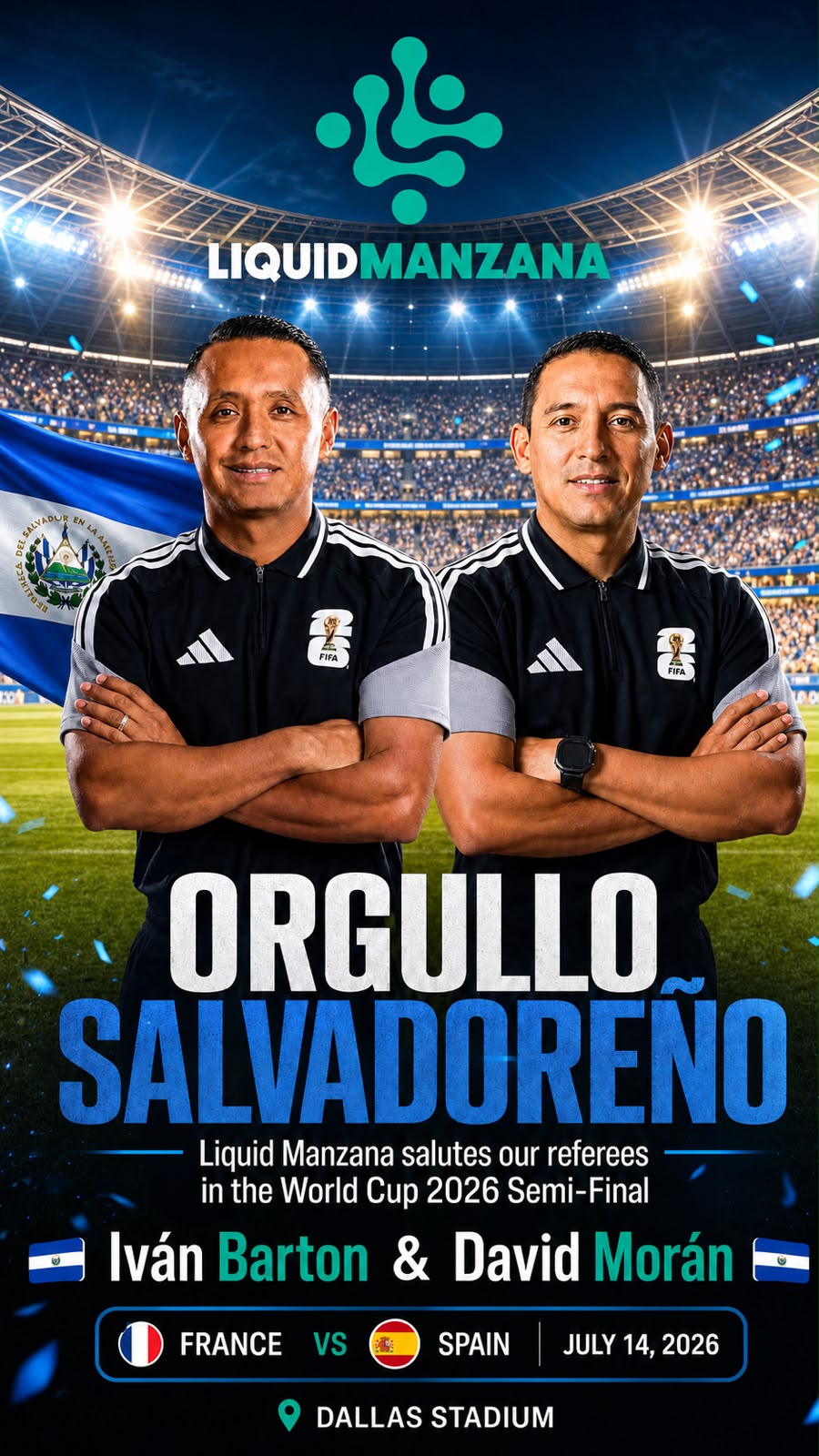
LiquidManzana Recognizes Salvadoran Referees on the World Stage
LiquidManzana proudly recognizes Salvadoran FIFA officials Iván Barton and David Morán for their appointment to officiate the FIFA World Cup semifinal between Spain and France, celebrating a significant achievement for both El Salvador and Central American football. Their selection reflects years of dedication and professionalism, and serves as an inspiring example of Salvadorans representing their country with excellence on the global stage.
Why 24/7 Markets Change Investor Behavior
Digital asset markets operate 24/7, allowing investors around the world to react to information, news, and market events in real time rather than waiting for traditional trading sessions to open. While this continuous access can improve price discovery, liquidity, and global participation, it also changes investor behavior by increasing the pace of decision-making and creating new challenges around risk management and emotional trading. As digital assets continue to mature, the always-on nature of these markets is reshaping how participants interact with financial systems and manage investment opportunities.
What Makes a Market “Efficient”?
An efficient market is one where information is transparent, prices quickly reflect available knowledge, and buyers and sellers can transact with minimal friction. Market efficiency depends on factors such as liquidity, competition, strong infrastructure, and reliable price discovery, all of which help capital flow more effectively throughout the financial system. While no market is perfectly efficient, improving transparency, accessibility, and operational reliability helps create healthier and more resilient markets over time.
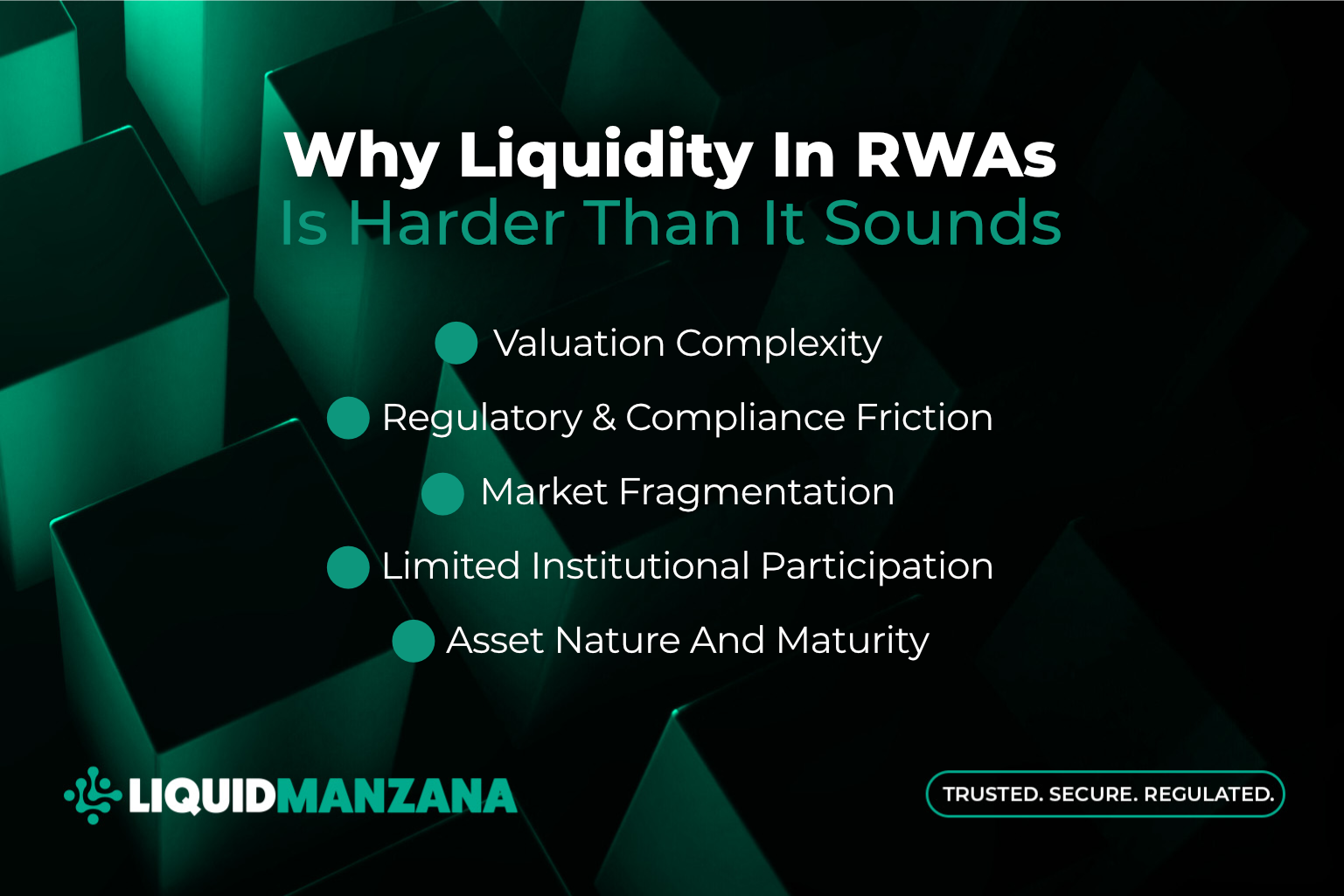
Why Liquidity in RWAs Is Harder Than It Sounds
Tokenization can make real-world assets easier to access, transfer, and divide into smaller ownership interests, but it does not automatically create liquidity. True liquidity depends on active buyers and sellers, market infrastructure, price discovery, regulatory clarity, and investor demand. As the RWA sector evolves, building robust secondary markets may prove just as important as the technology that enables tokenization itself.
The Role of Disclosure Documents in Tokenized Markets
Disclosure documents play a critical role in tokenized markets by providing participants with clear information about an asset, its structure, associated risks, and the rights attached to ownership. As digital assets become more widely adopted, strong disclosure standards help promote transparency, support informed decision-making, and build trust among both retail and institutional participants. Ultimately, effective disclosure is a foundational component of credible, sustainable, and well-functioning tokenized markets.
What Institutional Investors Look for in Digital Asset Custody Providers
Institutional investors evaluate crypto custody providers based on far more than security alone, they look for robust governance, regulatory compliance, operational resilience, transparent reporting, and infrastructure that can support large-scale financial operations. Features such as institutional-grade security, asset segregation, risk management, auditability, and integrated settlement workflows are essential for meeting fiduciary and regulatory obligations. As digital asset markets mature, custody has become a foundational layer of institutional infrastructure, enabling organizations to participate with greater confidence, accountability, and operational efficiency.
Security vs Usability: The Tradeoffs Digital Asset Platforms Must Make
Digital asset platforms must constantly balance security and usability, ensuring systems are safe enough to protect assets while remaining accessible and practical for users and institutions. Strong security measures like custody controls, compliance checks, and transaction monitoring often introduce friction, but removing too much friction can increase the risk of fraud, mistakes, and operational failures. Ultimately, the most effective platforms are those that apply security intelligently, protecting users without making participation unnecessarily difficult.
What Is Custody in Crypto (And Why It Matters More Than You Think)
Crypto custody is far more than simply storing private keys, it is the operational infrastructure that determines how digital assets are secured, governed, and managed at institutional scale. While self-custody emphasizes individual control, institutional investors, funds, and regulated organizations often rely on custodial platforms because they provide the security, compliance, governance, and operational resilience required to manage large amounts of capital responsibly. Ultimately, strong custody systems are foundational to institutional participation in digital asset markets because they reduce operational risk and enable scalable, regulated financial activity.
Tokenized Real Estate: What Actually Changes?
Tokenized real estate aims to modernize traditional property markets by improving access, efficiency, and ownership flexibility through blockchain-based infrastructure. By enabling fractional ownership, faster settlement, and digitally native investment models, tokenization can reduce some of the barriers that have historically limited real estate participation. However, while the technology changes how real estate is accessed and transferred, the underlying legal, regulatory, and operational realities of property ownership still remain.
How Inflation Shapes Crypto Adoption in Emerging Markets
In emerging markets, inflation is a key driver of crypto adoption as individuals and businesses seek more stable ways to store value and move money. Tools like stablecoins provide access to dollar-denominated value and faster cross-border transactions, making crypto a practical solution rather than a speculative one. As traditional systems face pressure, digital assets are increasingly used to navigate economic instability and improve financial access.
What Does CNAD Oversight Actually Do for Users?
CNAD oversight helps create a more structured and accountable environment for digital asset platforms operating in El Salvador by requiring licensed entities to follow defined standards around custody, compliance, governance, and operational controls. For users and institutions, this can improve transparency, strengthen trust, and support safer participation in digital asset markets. As the industry matures, regulatory oversight is increasingly becoming an important foundation for long-term adoption and institutional credibility.
What Makes a Digital Asset Offering “Legally Enforceable”?
A digital asset offering is legally enforceable when it is backed by clear legal rights, proper regulatory compliance, and binding contracts, not just blockchain code. Enforceability depends on legal classification, jurisdictional recognition, and the ability to hold identifiable parties accountable. Law, not technology, determines whether a token represents real, enforceable value.
Risks and Tradeoffs (Important!)
Digital asset systems involve inherent tradeoffs, such as speed vs control, transparency vs privacy, and self-custody vs managed custody, that cannot be eliminated, only managed. Understanding these risks is essential for making informed decisions and building resilient systems. Long-term success depends on recognizing and balancing these tradeoffs rather than ignoring them.
How Freelancers Use Crypto for Global Payments
Freelancers are increasingly using digital assets and stablecoins for global payments because blockchain-based systems can offer faster settlement, lower fees, and greater accessibility than traditional international banking networks. This is especially valuable for remote workers operating across borders or in regions with unstable currencies and limited financial infrastructure. As global freelancing continues to expand, crypto is becoming a practical financial tool for managing international income and improving payment flexibility.

LiquidManzana: Now a Fully Licensed Bitcoin Custody Entity in El Salvador
LiquidManzana is now a fully licensed Bitcoin custody entity in El Salvador, strengthening its position as a compliant and institutional-grade platform for tokenized real estate and digital asset services. Operating under El Salvador’s digital asset framework provides greater transparency, governance, and operational credibility for users while helping institutional investors across LATAM access regulated blockchain infrastructure with stronger custody and compliance standards. This milestone reflects the evolution of digital assets from experimental markets toward more mature and institutionally compatible financial systems.
How Businesses Use Crypto for Treasury Management
Businesses are increasingly using crypto for treasury management to improve liquidity, streamline cross-border payments, and access faster global settlement systems. Stablecoins and blockchain infrastructure allow companies to manage dollar-denominated value, reduce payment friction, and operate more efficiently across multiple jurisdictions. As digital asset infrastructure matures, crypto is evolving from a speculative tool into a practical component of modern corporate treasury operations.
What Happens If a Crypto Platform Gets Hacked?
A crypto platform hack does not automatically mean all user assets are lost; the outcome largely depends on the platform’s security architecture, custody systems, and incident response capabilities. Well-designed platforms use layered security measures such as cold storage, multi-signature controls, asset segregation, and continuous monitoring to contain threats and protect customer funds. The most important factor is not whether an attack occurs, but how effectively a platform prevents, responds to, and recovers from security incidents.
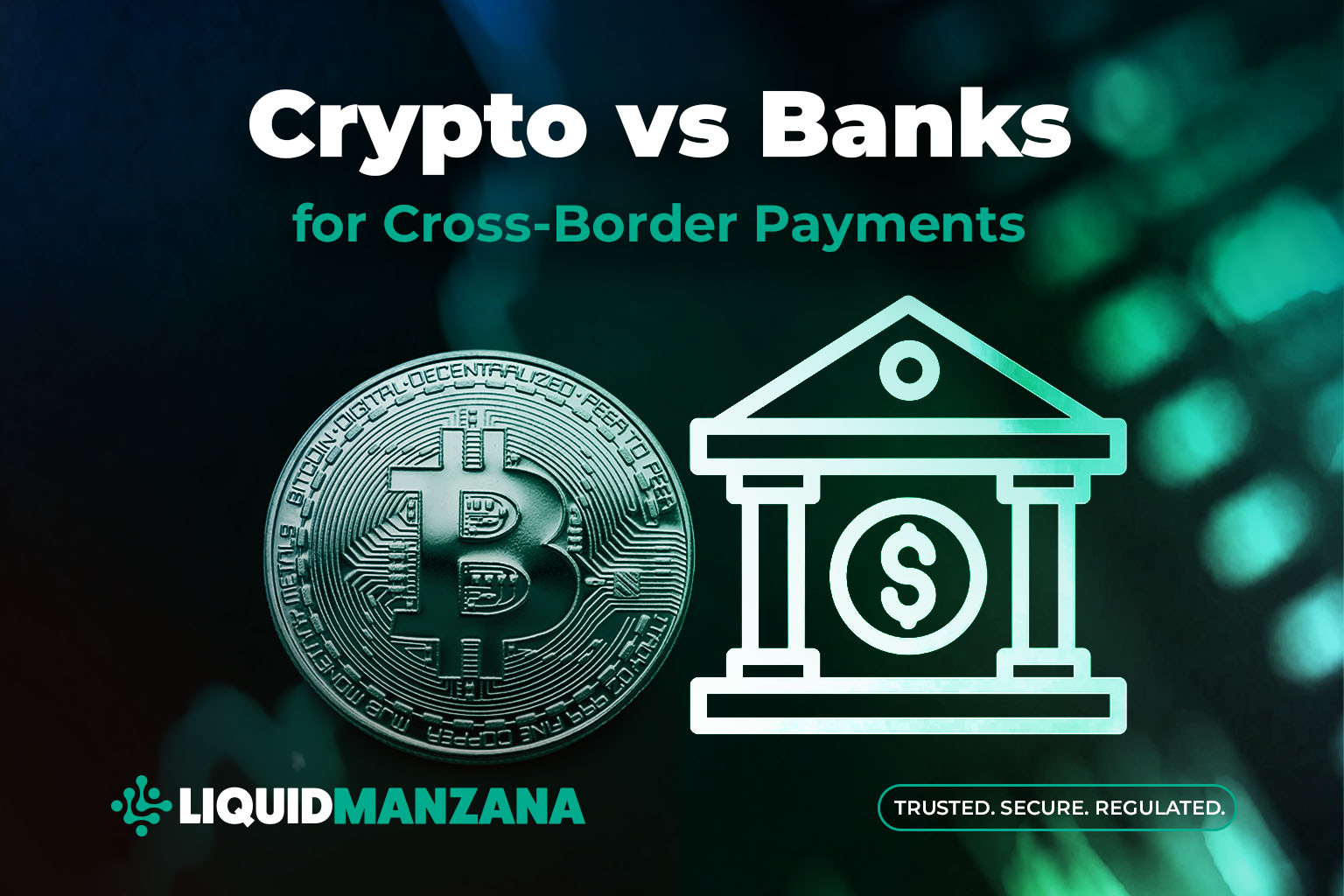
Crypto vs Banks for Cross-Border Payments
Crypto-based payment systems are increasingly competing with traditional banks in cross-border payments by offering faster settlement, lower transaction costs, and broader accessibility through blockchain infrastructure and stablecoins. While banks still provide strong regulatory integration, institutional trust, and fiat connectivity, crypto networks reduce reliance on intermediaries and improve the efficiency of moving value globally. As financial infrastructure evolves, the future is likely to involve a hybrid model where blockchain technology and traditional banking systems work together to support global payments.
Why Transparency Requirements Are Growing Globally
Growing transparency requirements are being driven by the increasing institutionalization of digital assets, the lessons learned from past market failures, and the integration of blockchain-based systems into the broader financial ecosystem. As regulators, institutions, and market participants demand greater visibility into asset backing, risk management, governance, and operational controls, transparency is becoming a key foundation for trust, accountability, and long-term market credibility. Ultimately, stronger transparency standards are helping digital asset markets evolve from speculative environments into more mature financial infrastructure.
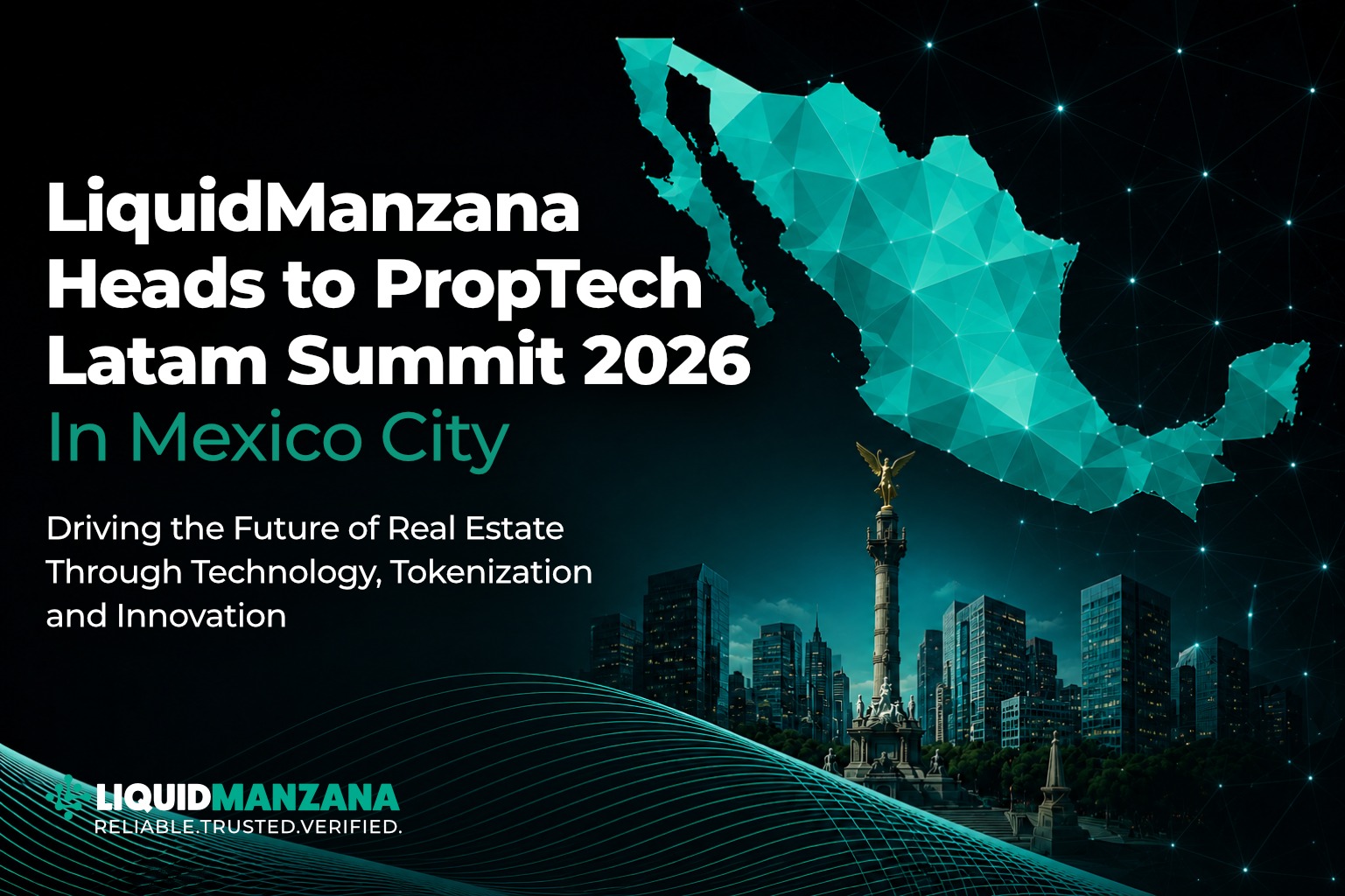
LiquidManzana Heads to PropTech Latam Summit 2026 in Mexico City
LiquidManzana will be attending the PropTech Latam Summit 2026 in Mexico City from June 1–5 as a Gold Sponsor, joining industry leaders shaping the future of real estate and technology in Latin America. During the event, Pedro J. Solis will present “From Brick to Blockchain: Transforming Real Estate Liquidity,” exploring how tokenization and blockchain infrastructure are making real estate more accessible, efficient, and liquid through fractional ownership and digital asset innovation.
Why Latin America Is a “Use Case First” Market
Latin America has become a “use case first” crypto market because adoption is increasingly driven by practical financial needs rather than speculation alone. Economic instability, inflation, expensive cross-border payments, and limited banking access have pushed individuals and businesses toward digital assets as tools for preserving value and improving financial efficiency. As a result, the region is emerging as an important testing ground for real-world crypto infrastructure and utility-driven adoption.
Custody vs Settlement: Where Risk Actually Lives
In digital asset markets, the most critical risks often lie in custody and settlement rather than price volatility. Custody risk involves safeguarding private keys and maintaining control over assets, while settlement risk centers on execution accuracy and irreversible transactions. Together, these layers determine whether assets can be securely held and reliably transferred, making them fundamental to market integrity.
Investing vs Speculation in Digital Assets
In digital asset markets, investing focuses on long-term value driven by real usage and fundamentals, while speculation centers on short-term price movements and market sentiment. Both play a role, but excessive speculation can lead to volatility and mispricing when disconnected from underlying utility. As the market matures, sustainable growth is increasingly tied to assets with measurable adoption and real-world use.
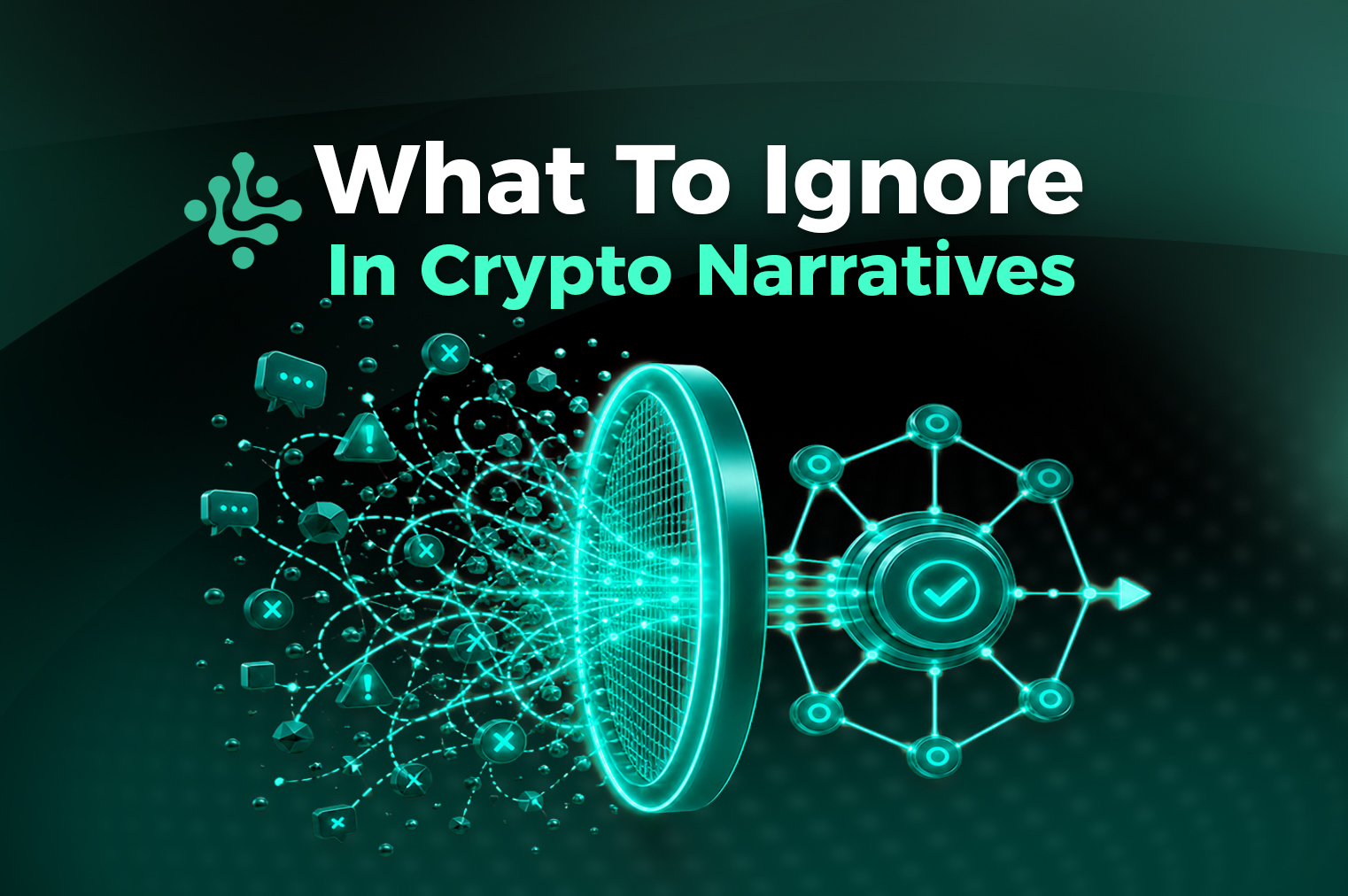
What To Ignore In Crypto Narratives
Crypto narratives often amplify hype, certainty, and price-driven storytelling, which can distort how markets are understood. By filtering out misleading signals, such as unproven utility, social-driven momentum, and unrealistic expectations, participants can focus on fundamentals, real usage, and long-term value. Distinguishing signal from noise is essential for navigating crypto markets more effectively.
Why “Not Your Keys” Isn’t the Full Story Anymore
While “not your keys, not your crypto” highlights real risks, it no longer fully captures the needs of institutional investors. Large-scale participants require structured governance, operational resilience, and compliance, which regulated custodial platforms are often better equipped to provide. The focus has shifted from simple key ownership to how custody systems are controlled, audited, and managed at scale.
How Exchanges Prevent Single Points of Failure
Exchanges prevent single points of failure by designing systems with redundancy, distributed control, and layered safeguards across custody, infrastructure, and operations. By ensuring no single person, system, or provider can compromise the platform, they reduce the risk of outages, security breaches, and asset loss. This resilience is a core part of building trust and maintaining stable, reliable digital asset markets.
How Institutional-Grade Security Actually Works
Institutional-grade security in digital asset markets relies on a multi-layered approach that combines custody design, strict access controls, continuous monitoring, and robust operational processes. Rather than a single solution, it is a system of safeguards working together to reduce risk, protect assets, and ensure accountability at scale. This framework is essential for building trust and enabling broader institutional participation in digital finance.
Cross-Border Compliance: Why It’s So Hard (and Why It Matters)
Cross-border compliance is complex because financial activity must navigate fragmented, overlapping, and sometimes conflicting regulations across multiple jurisdictions. Despite these challenges, it plays a critical role in enabling trust, preventing financial crime, and allowing businesses to operate globally. Ultimately, this complexity is not temporary but a structural feature of the global financial system.
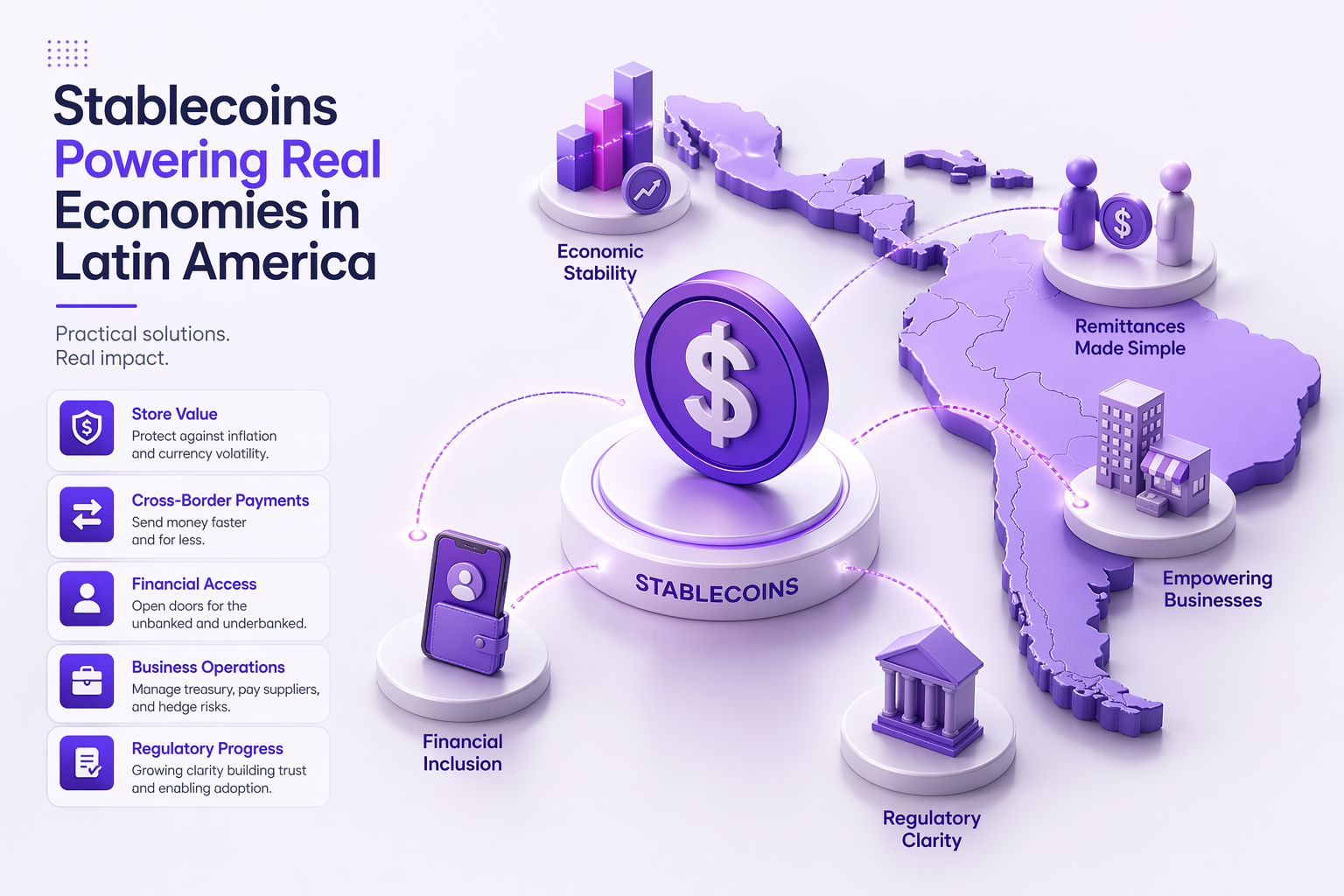
Why Stablecoins Are Growing in Latin America
Stablecoins are growing rapidly in Latin America because they address real financial challenges such as currency instability, expensive cross-border payments, and limited access to banking services. Rather than being driven by speculation, their adoption is rooted in practical use cases like preserving value, enabling faster transfers, and supporting business operations. This shift highlights a broader move toward utility-focused crypto adoption in the region.
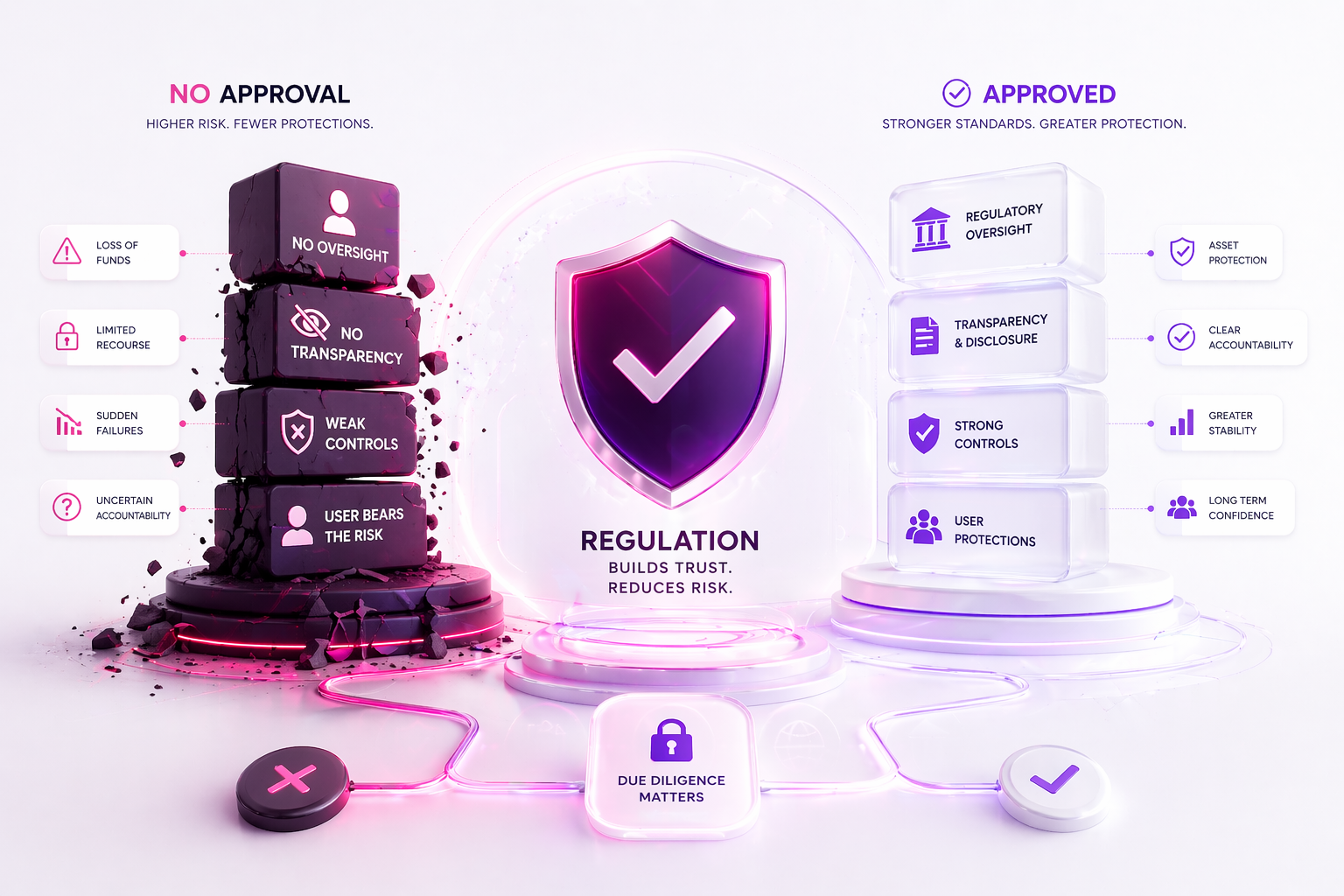
What Happens When a Platform Operates Without Regulatory Approval?
Platforms that operate without regulatory approval often lack the safeguards, transparency, and accountability needed to protect users, shifting significant risk onto participants. High-profile failures like FTX and QuadrigaCX illustrate how weak oversight and poor controls can lead to loss of access to funds and limited recourse. Regulation functions as critical infrastructure that helps reduce risk and build trust in digital asset markets.
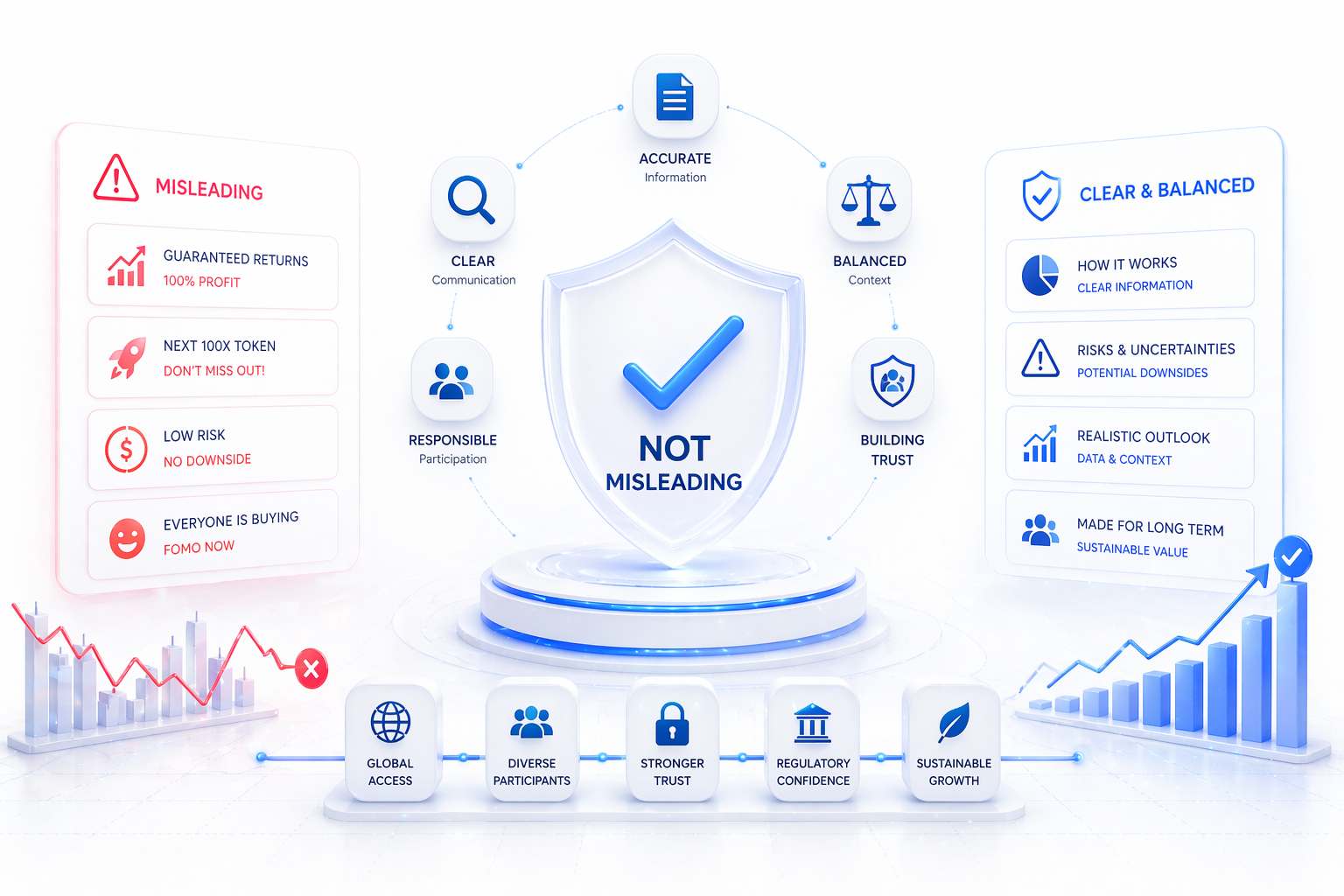
Why “Not Misleading” Is a Core Rule in Digital Asset Markets
Clear, non-misleading communication is a foundational principle in digital asset markets because it supports informed participation, trust, and long-term market stability. In fast-moving crypto ecosystems, balanced disclosures and accurate messaging help prevent speculation-driven distortions while protecting participants from false impressions or omitted risks. As the industry matures, “not misleading” is increasingly viewed not just as a compliance rule, but as essential infrastructure for credible and resilient markets.

What Does “Regulated Crypto” Actually Mean in Latin America?
“Regulated crypto” in Latin America varies widely by country, reflecting a fragmented but evolving landscape where governments increasingly focus on overseeing service providers rather than banning the technology itself. Across the region, approaches range from infrastructure-driven models like El Salvador to compliance-focused systems like Brazil and Mexico, with a growing emphasis on licensing, AML, and consumer protection. Overall, regulation is shifting from a perceived barrier to a foundational layer that enables trust, institutional participation, and long-term market growth.

Why Crypto Is Moving from Speculation to Utility
Crypto is gradually shifting from a market driven mainly by speculation and price narratives to one increasingly grounded in real-world utility and financial function. Growing use cases like stablecoin payments, cross-border transfers, and institutional adoption are turning crypto into infrastructure rather than just an asset class. While speculation still exists, long-term value is increasingly tied to actual usage, signaling a broader evolution toward sustainable, function-driven markets.
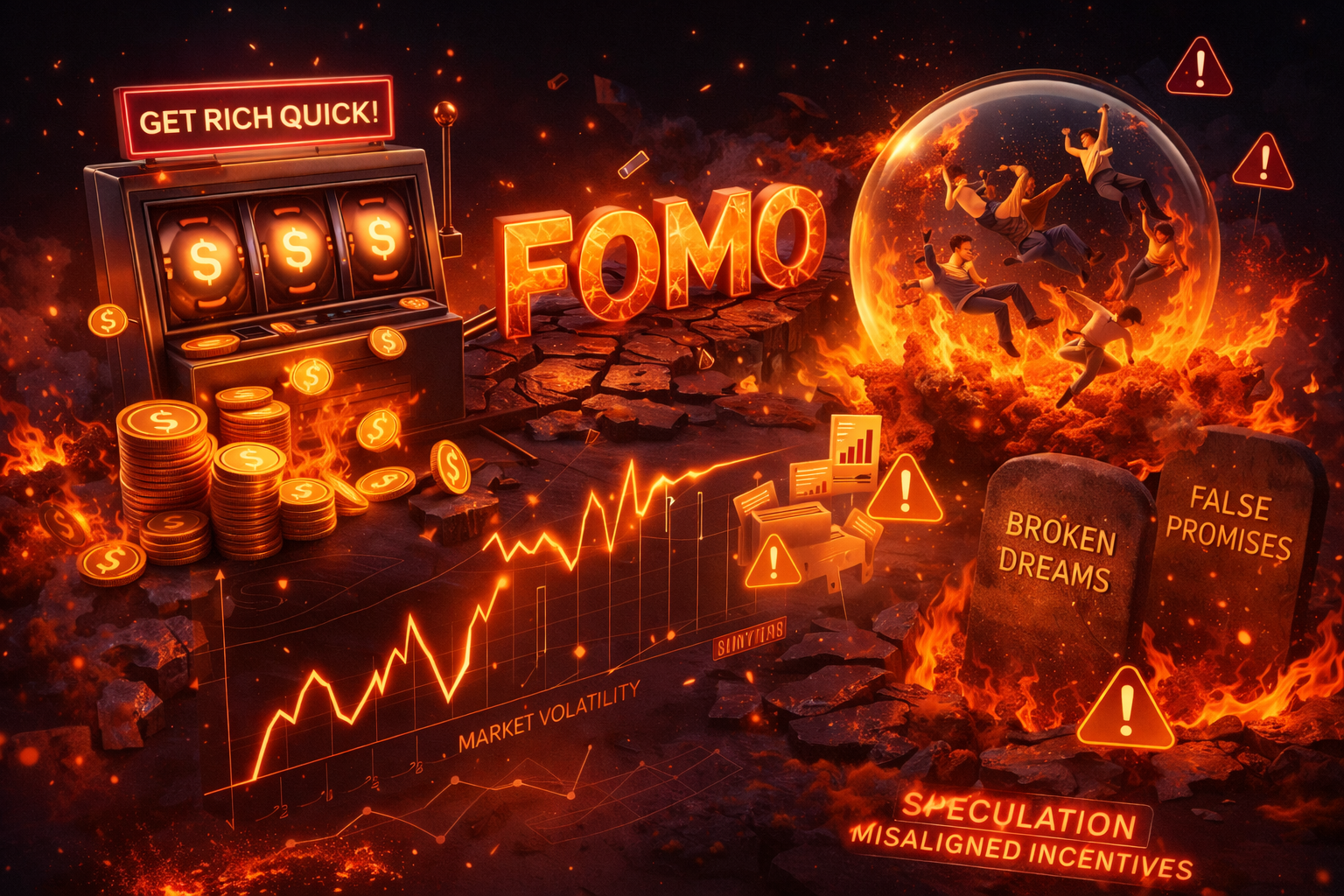
Why “Get Rich Quick” Narratives Hurt Markets
Today, we take a look at how “get rich quick” narratives distort markets by shifting focus from fundamentals to speculation, leading to volatility, poor decision-making, and misaligned incentives. It highlights how these narratives often harm less experienced participants and undermine long-term trust and credibility. This post argues that sustainable markets are built on education, transparency, and realistic expectations rather than hype.
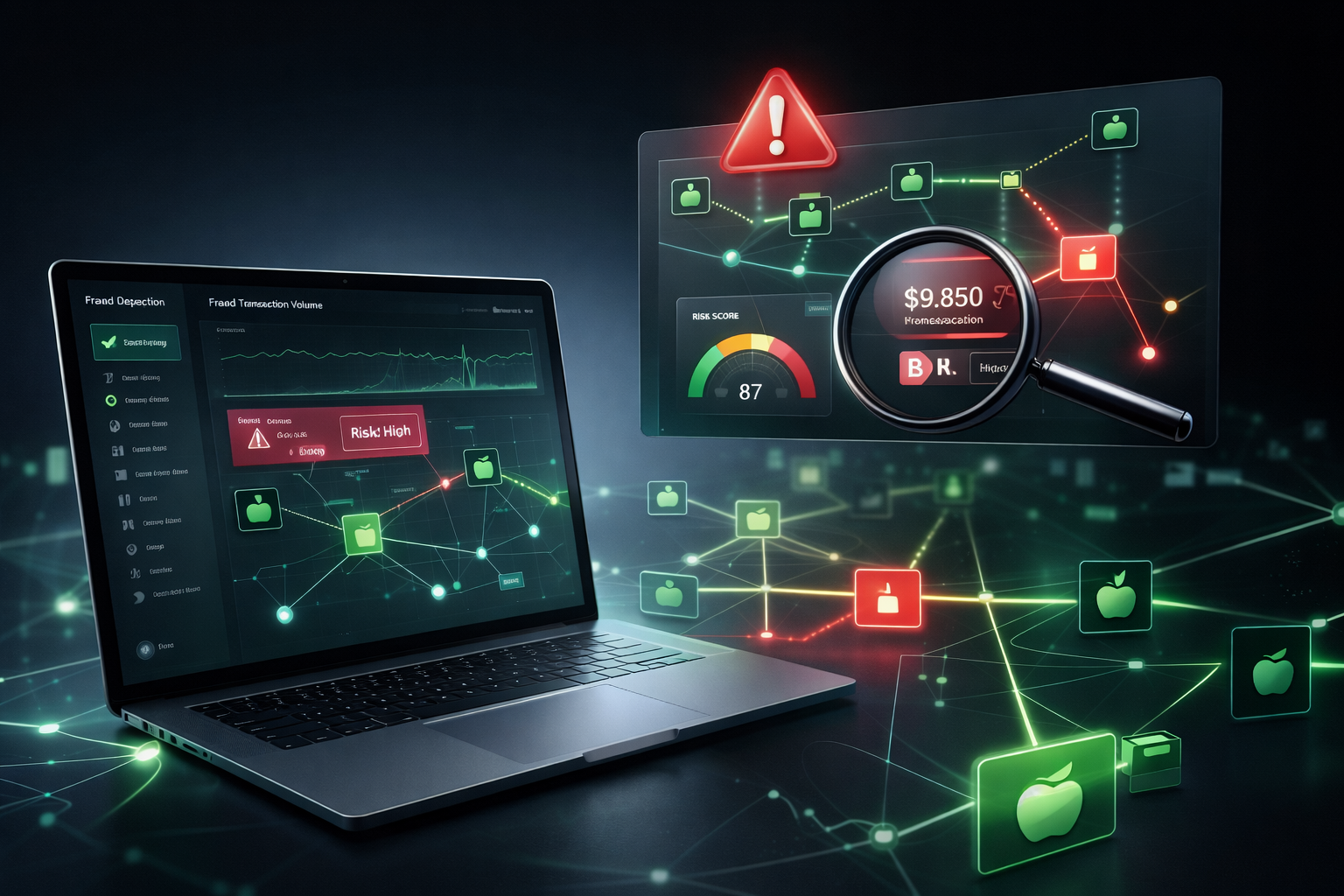
How Platforms Detect Fraud and Suspicious Activity
This article explains how digital asset platforms detect and manage fraud using tools like transaction monitoring, identity verification, risk scoring, and blockchain analytics. It highlights how these systems work together to identify suspicious behavior, prioritize risks, and respond effectively. Ultimately, it emphasizes that fraud prevention is an ongoing, shared responsibility that supports trust and long-term market stability.

The Role of Audits in Tokenized Asset Issuance
This article explores how audits serve as a critical layer of trust in tokenized asset issuance by verifying the alignment between on-chain systems and real-world assets. It highlights the different types of audits, technical, financial, legal, and operational, and explains their importance for institutional participation and market credibility. Ultimately, it positions audits not as a one-time requirement, but as ongoing infrastructure essential for transparency and long-term viability.
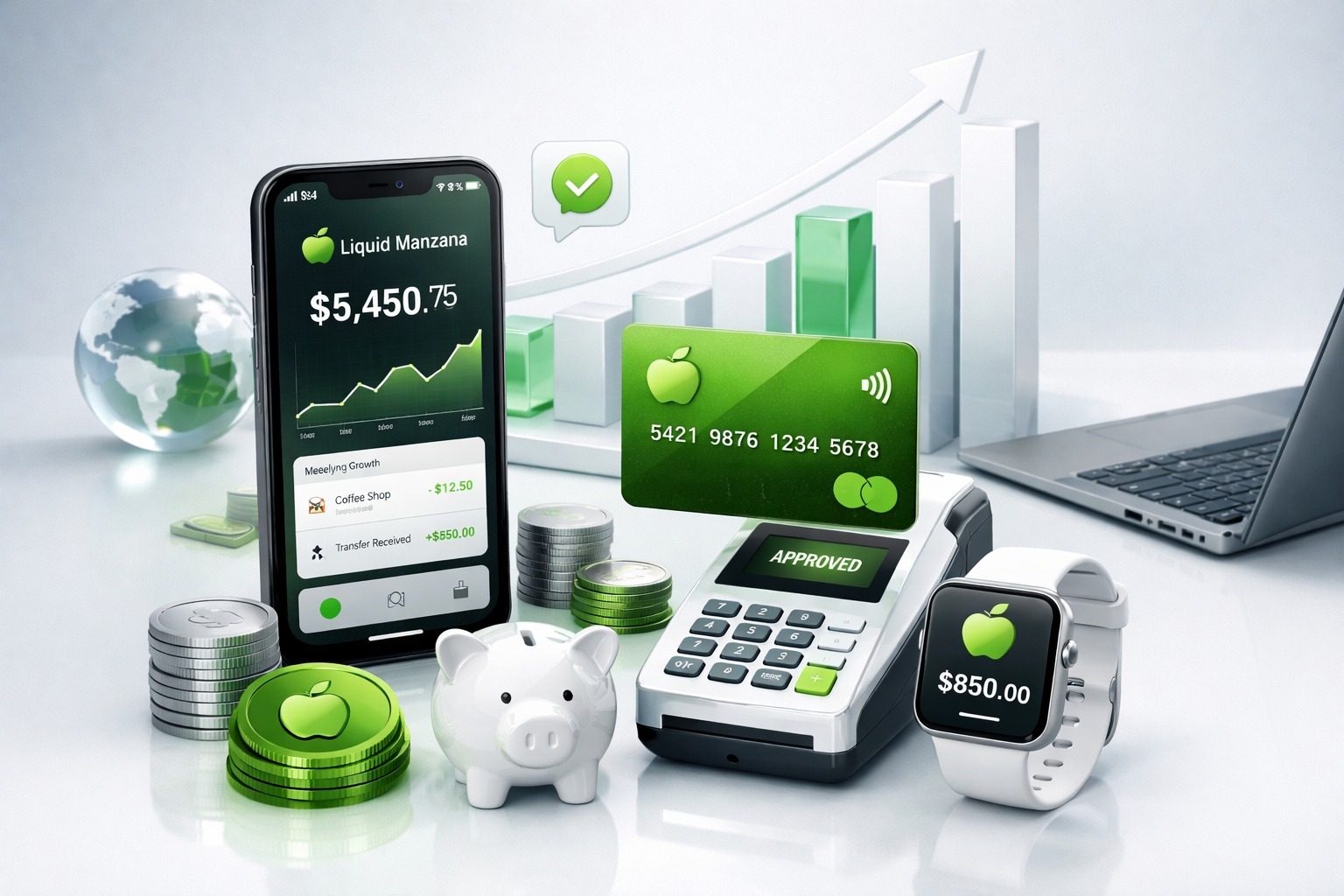
Institutional Onboarding: What Compliance Teams Ask First
This article explores the key questions institutional compliance teams ask during onboarding, highlighting that institutions evaluate not just the asset, but the entire legal, operational, and risk environment around it. It outlines how factors like structure, custody, jurisdiction, governance, and regulatory clarity determine whether an opportunity is investable. Ultimately, it emphasizes that institutional adoption depends on clarity, control, and defensibility, not narratives or technical innovation alone.
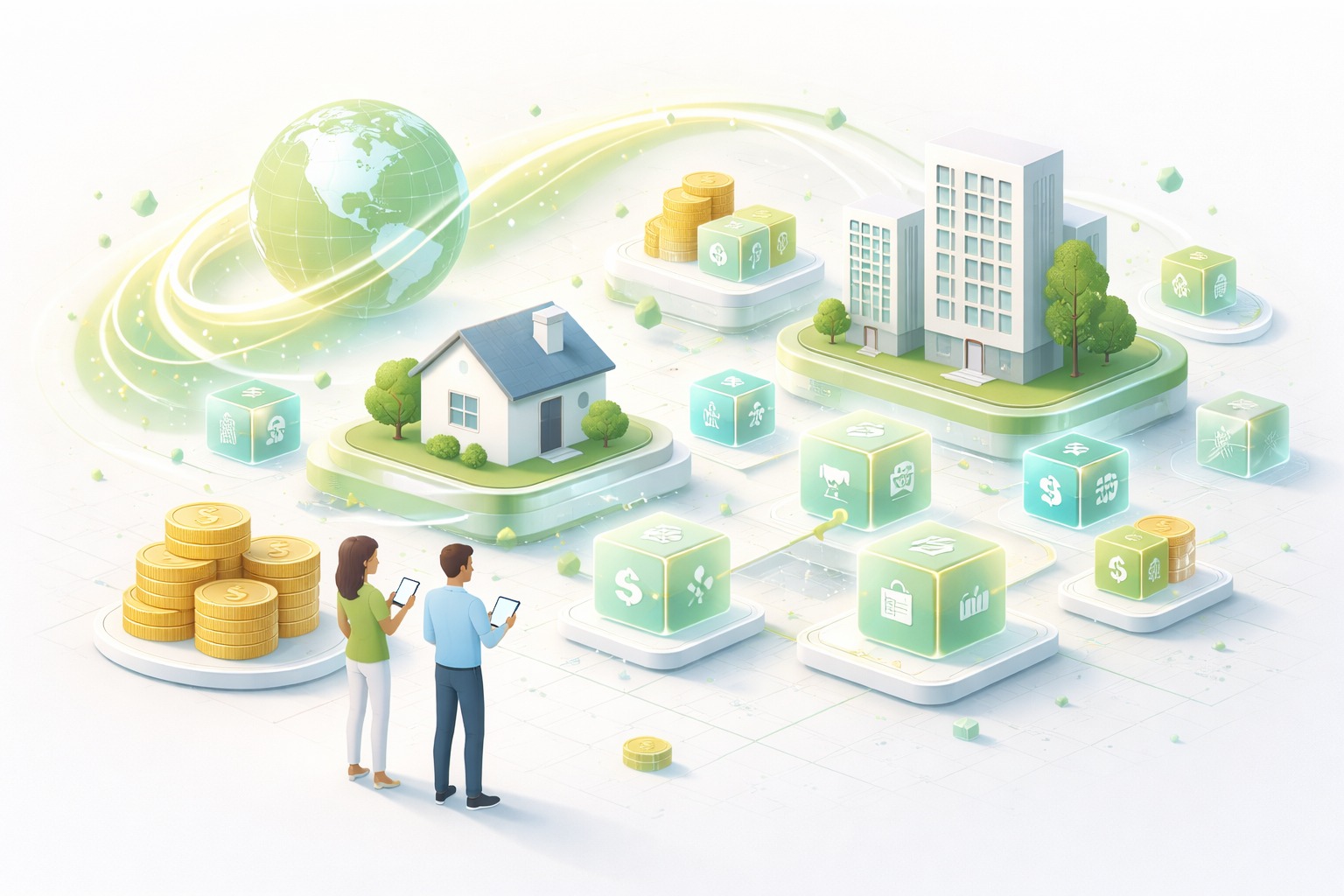
Revenue Sharing Tokens vs Securities
This article examines the often-misunderstood boundary between revenue-sharing tokens and securities, emphasizing that regulatory classification depends on economic reality, not labels or narratives. It explains how factors like profit expectations, reliance on a central team, and marketing practices determine whether a token falls under securities law. Ultimately, it argues that compliance should be treated as foundational infrastructure, not something to bypass, for building sustainable tokenized markets.

Tokenization and Emerging Markets: A Deep Dive
Tokenization is reshaping how capital connects with emerging markets by turning local, often illiquid assets into accessible, globally investable opportunities through blockchain-based infrastructure. It enables greater financial inclusion, improved liquidity, and more efficient capital allocation, while positioning emerging economies to leapfrog legacy systems and build digital-first financial ecosystems. Despite challenges around regulation, legal alignment, and market design, the broader shift points toward more interconnected, transparent, and inclusive global capital markets.

Barriers To Investment In Real Estate Markets Explored
This article explains how real estate investing has traditionally been difficult for everyday people due to high costs, complexity, and limited access, and how tokenization is helping break down these barriers. It highlights how blockchain technology can make investing more accessible, flexible, and efficient by enabling fractional ownership and easier transactions. It also explores how regulators are working to support this shift while ensuring safety, fairness, and trust in modern financial systems

KYC, KYB, & UBO Rules In A Tokenized World: Why Compliance Is Infrastructure, Not Friction
This article explains how KYC, KYB, and UBO frameworks are evolving from perceived regulatory burdens into essential infrastructure for digital asset markets. It highlights how embedding identity, ownership, and compliance into tokenized systems enables trust, legal enforceability, and institutional participation at scale. Ultimately, it argues that well-designed compliance is a key enabler of secure, transparent, and globally connected financial ecosystems, not a barrier to innovation.
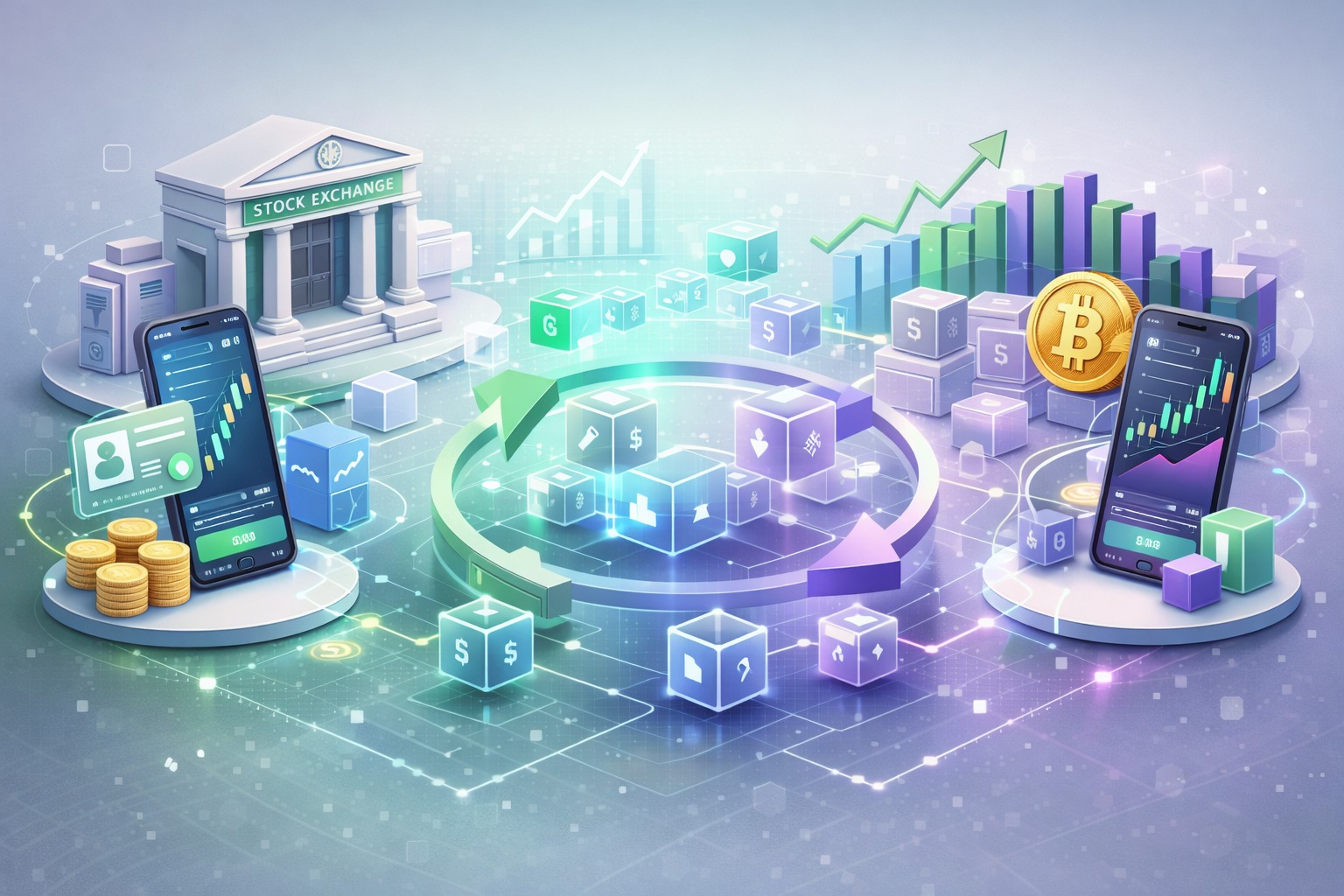
Secondary Markets Explained
This article explains how secondary markets function as essential infrastructure in both traditional finance and digital asset ecosystems, enabling liquidity, price discovery, and ongoing investor participation after initial issuance. It highlights how these markets transform static investments into dynamic, tradable assets while supporting efficient capital allocation and market transparency. Ultimately, it shows that active secondary markets are critical for building trust, scalability, and long-term viability in both established and emerging capital markets.

Why Real Estate Needs Better Rails, Not Faster Speculation
This article explores how real estate markets rely on complex, slow-moving financial infrastructure built around intermediaries, legal processes, and fragmented systems, which can limit access and efficiency. It explains how technologies like blockchain and tokenization can modernize these “rails” by improving transparency, enabling fractional ownership, and connecting global capital with local assets. Ultimately, it argues that the future of real estate depends not on accelerating speculation, but on building better, more efficient infrastructure that supports long-term value and broader participation.

Global Capital, Local Assets
In today's article, we explore how decentralized technologies such as blockchain and tokenization are transforming investment by connecting global capital with local assets, particularly in emerging regions like Latin America. We also highlights how these innovations expand access to funding, improve liquidity, and open new opportunities for investors and businesses alike, while emphasizing that strong regulation, transparency, and due diligence remain essential for sustainable growth. Ultimately, the piece argues that responsible tokenization can bridge international investors with real economic activity, supporting long-term development while expanding participation in global financial markets.
What Makes LiquidManzana's Exchange Stand Apart?
This article explains how LiquidManzana differentiates itself by combining regulatory clarity, institutional-grade infrastructure, and strategic global partnerships to build a trusted digital asset ecosystem. Operating within El Salvador’s Digital Assets Regulatory Framework and supervised by the CNAD, the platform offers secure trading of leading digital assets while preparing to expand into tokenized real-world assets such as fractional real estate. Through partnerships with providers like Shift, Nexxus, and Fireblocks, LiquidManzana aims to bridge global capital with Latin American opportunities by delivering compliant, scalable, and secure digital financial infrastructure.
Regulatory Agencies: El Salvador’s CNAD vs SEC vs CFTC
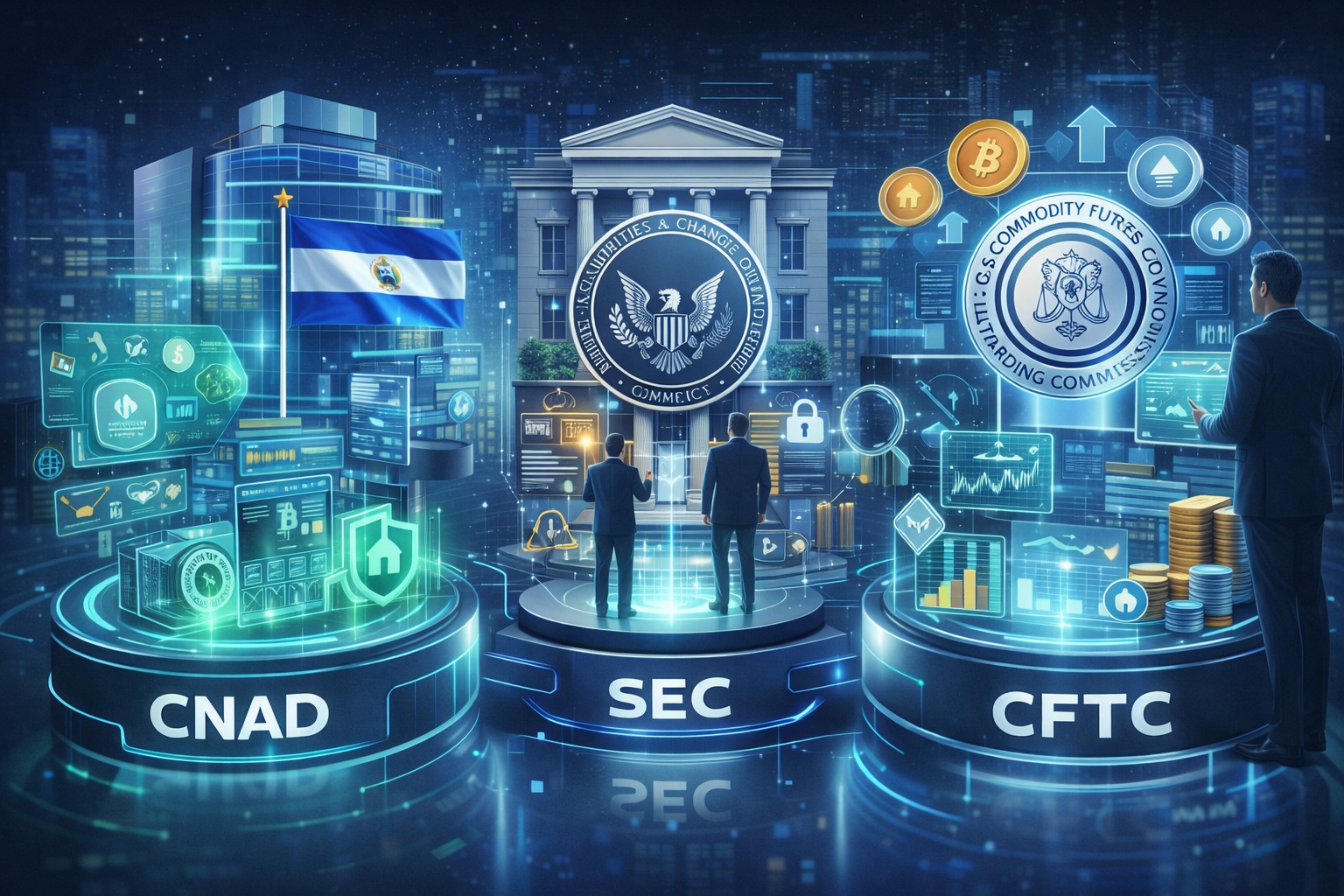
This article examines how different regulatory approaches to digital assets influence innovation, investor confidence, and startup development. It compares El Salvador’s CNAD, designed specifically to regulate and support tokenization and digital capital markets, with the SEC and CFTC in the United States, which apply existing financial frameworks with a stronger focus on enforcement and investor protection. The analysis highlights how clear and balanced regulation can reduce uncertainty, attract investment, and enable sustainable growth in the global digital asset ecosystem.
.jpeg)
Tokenized Assets vs Tokenized Promises
In this post, we explain how investors can distinguish legitimate tokenized real-world asset (RWA) investments from speculative or unsound offerings. We also highlight the importance of legal enforceability, regulatory oversight, and clear economic fundamentals, emphasizing that credible tokenized assets must be backed by transparent structures and enforceable rights. We emphasize that while blockchain technology can improve access and efficiency, long-term investment value still depends on strong governance, regulatory clarity, and careful due diligence.
Why El Salvador’s Digital Assets Law Is Not a Bitcoin Law
In this post, we explain how El Salvador’s Digital Assets Law differs from the earlier Bitcoin Law by establishing a broader regulatory framework designed to support a wide range of digital assets, including tokenized real-world assets and new digital capital markets. We also explore why Bitcoin’s mandatory legal tender status was scaled back and how the country has shifted toward building institutional infrastructure, regulatory clarity, and investor protections through the CNAD. Ultimately, the framework positions El Salvador as a jurisdiction focused on responsible innovation, aiming to connect global capital with emerging opportunities while balancing technological progress with regulatory oversight.

Micro-ownership vs Institutional Dominance
This article explores how tokenization and fractional ownership are reshaping the balance between institutional dominance and individual participation by making traditionally exclusive assets more accessible, transparent, and globally connected. It highlights how digital infrastructure enables collaboration between institutions and individuals, allowing both to allocate capital more flexibly, diversify portfolios, and participate in long-term wealth creation. Ultimately, these emerging models are redefining capital markets by combining institutional expertise with distributed ownership, creating more inclusive, efficient, and resilient financial ecosystems.
How Can Rental Income Be Distributed With Tokenization?
In this post we examine how tokenization is transforming real estate by enabling ownership and rental income to be shared, automated, and even traded through digital tokens and smart contracts. It highlights how these innovations improve transparency, accessibility, and global participation, while emphasizing that investors must still evaluate asset quality, legal structure, and liquidity realities, positioning tokenized rental income as a bridge between traditional property markets and modern digital finance.

Why Do Custodial Wallets Give Investors An Advantage?
Custodial and noncustodial wallets differ mainly in who controls private keys, with custodial wallets offering convenience, integrated services, professional security, and regulatory alignment, while noncustodial wallets prioritize full ownership and self-sovereignty. Although self-custody aligns with decentralization, it also places responsibility and risk on the individual, so both models are likely to coexist as the digital asset ecosystem evolves and hybrid solutions emerge.

What Tokenization Does NOT Solve
Tokenization improves access, efficiency, and transferability, but it does not replace legal systems, eliminate risk, or guarantee liquidity, making strong governance and regulation essential. El Salvador’s Digital Assets Regulatory Framework, overseen by the CNAD, addresses these gaps by providing legal clarity, consumer protection, and a compliant environment that supports innovation and new capital markets. Within this framework, LiquidManzana is positioned as a leader by combining regulatory certainty, real estate expertise, and end-to-end tokenization infrastructure to deliver scalable, legally enforceable, and globally accessible fractional real estate ownership.
.jpeg)
Liquidity vs Long-Term Holding In Real Estate Markets
Come along with us as we take a look at how real estate and other real-world assets have traditionally been shaped by a balance between long-term stability and limited liquidity, where investors often commit capital for extended periods in exchange for steady growth and resilience. It highlights how emerging digital infrastructure, including tokenization and global digital markets, is beginning to transform this landscape by introducing new forms of flexibility, access, and participation. By connecting physical assets to modern financial systems, these innovations point toward a future where value can remain anchored in real-world scarcity and utility while becoming more dynamic, transparent, and globally connected.

The LiquidManzana Exchange Is Now Live!
The Genesis Event marked a defining milestone for LiquidManzana and El Salvador’s digital asset ecosystem, celebrating the launch of a fully regulated trading exchange in the heart of Bitcoin Country. By debuting a secure, CNAD-supervised platform listing the top digital assets, LiquidManzana demonstrated a clear commitment to trust, transparency, and long-term market development across El Salvador and Latin America. More than a one-day celebration, the event signaled the start of an ongoing expansion toward a robust, integrated, and globally connected digital finance infrastructure for the region.
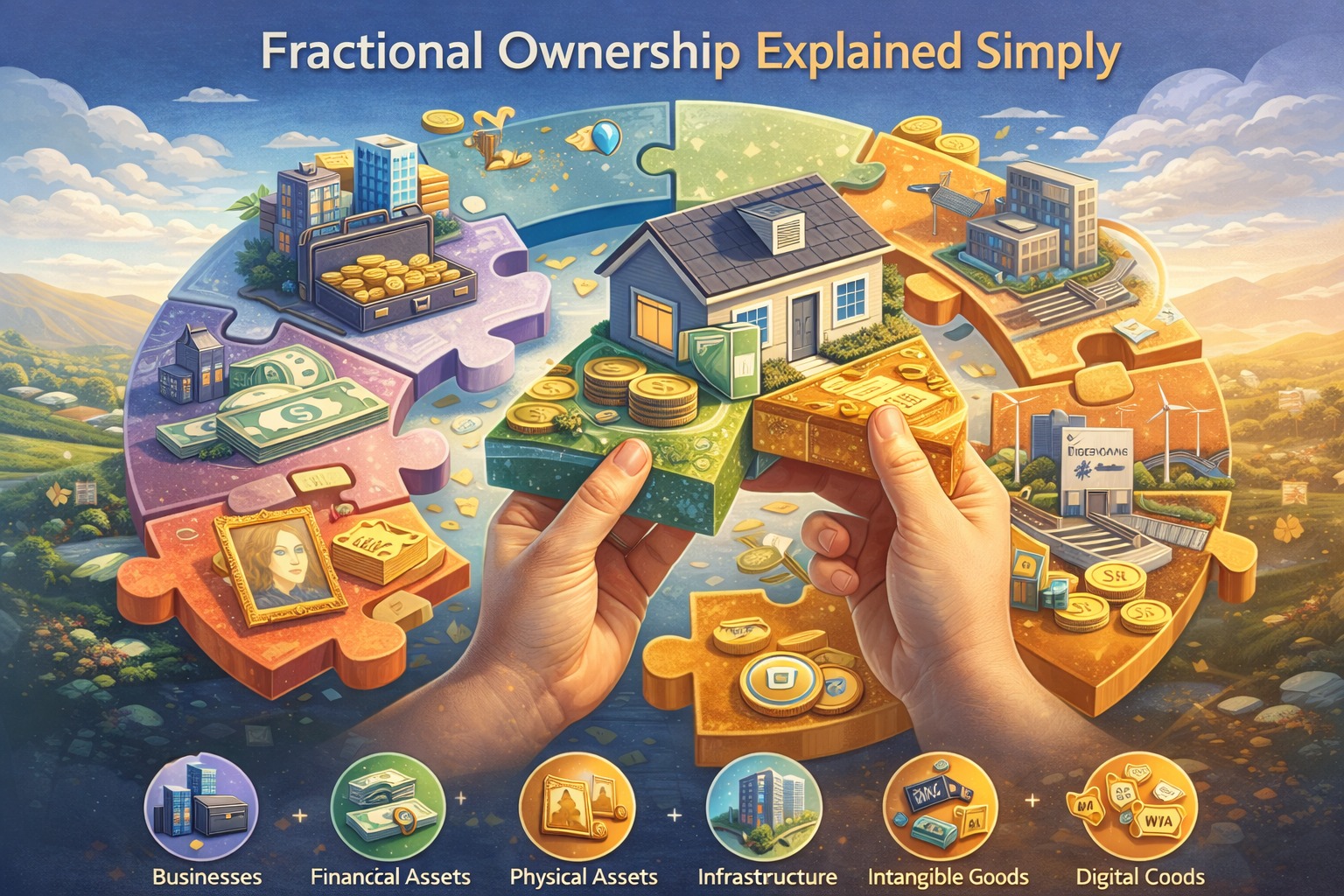
Fractional Ownership Explained Simply
Fractional ownership allows people to own clearly defined portions of an asset rather than the whole, making high-value investments like real estate, businesses, and other assets more affordable and accessible. By dividing ownership into smaller shares, it lowers barriers to entry, increases flexibility, and enables investors to diversify and participate with less capital. Supported by modern digital systems and tokenization, fractional ownership expands this model across physical, financial, and digital assets, creating a more inclusive and transparent approach to ownership and investment.
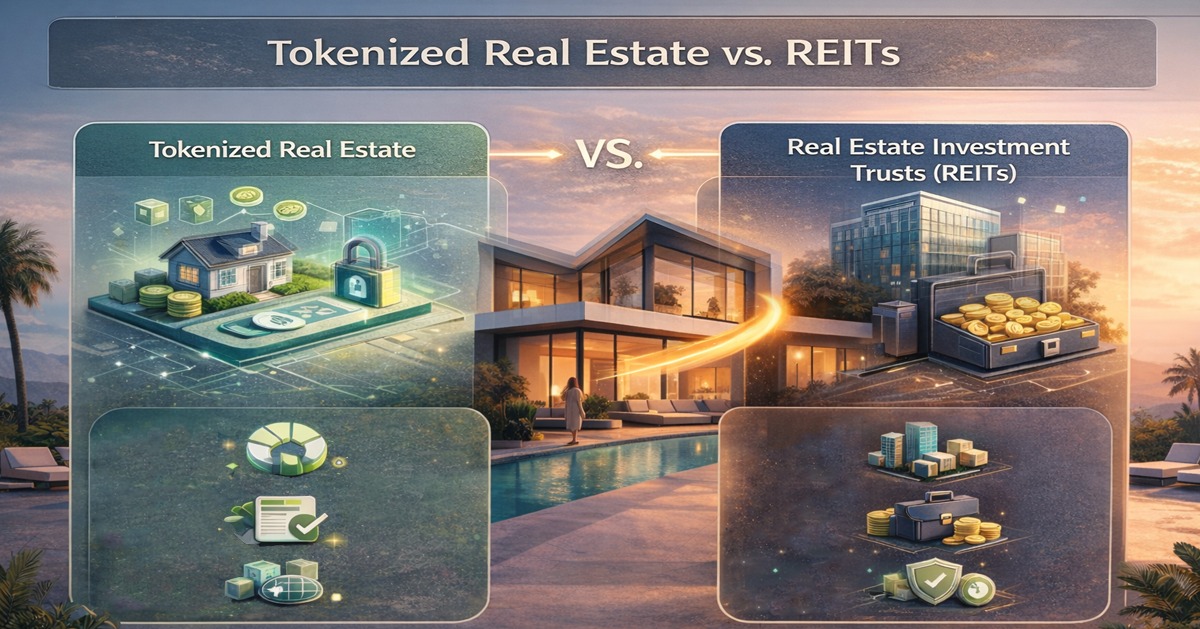
Tokenized Real Estate vs. REITs
Today, we take a look at how REITs made real estate investing more accessible by turning property ownership into tradable shares, while highlighting their limits around indirect ownership and centralized control. It then contrasts REITs with tokenized real estate, showing how blockchain-based ownership enables direct, asset-specific, and fractional participation with greater transparency and flexibility. Finally, it outlines how tokenization goes beyond REITs by enabling finer-grained ownership, programmability, global access, and new investment structures better suited to digital markets.
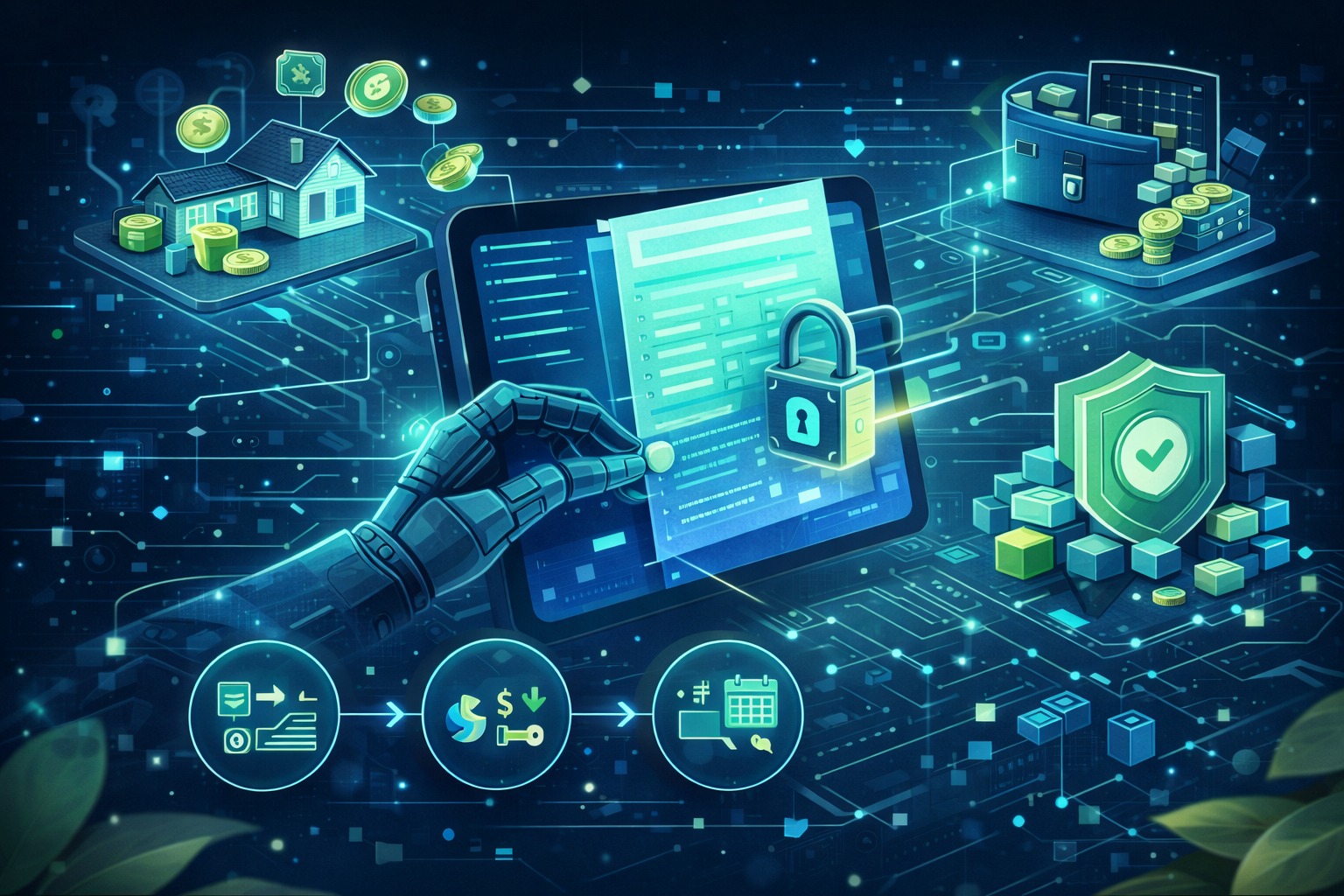
What Smart Contracts Actually Do
This article explains how smart contracts function as self-executing code on blockchains that automatically enforce rules, transfer value, and update ownership without intermediaries. It shows how their transparent, tamper-resistant design enables tokenization and fractional ownership by defining tokens, tracking precise ownership shares, and automating payments and transfers. Together, smart contracts turn agreements and assets into programmable systems that are more efficient, trustworthy, and suited to modern digital and real-world use.
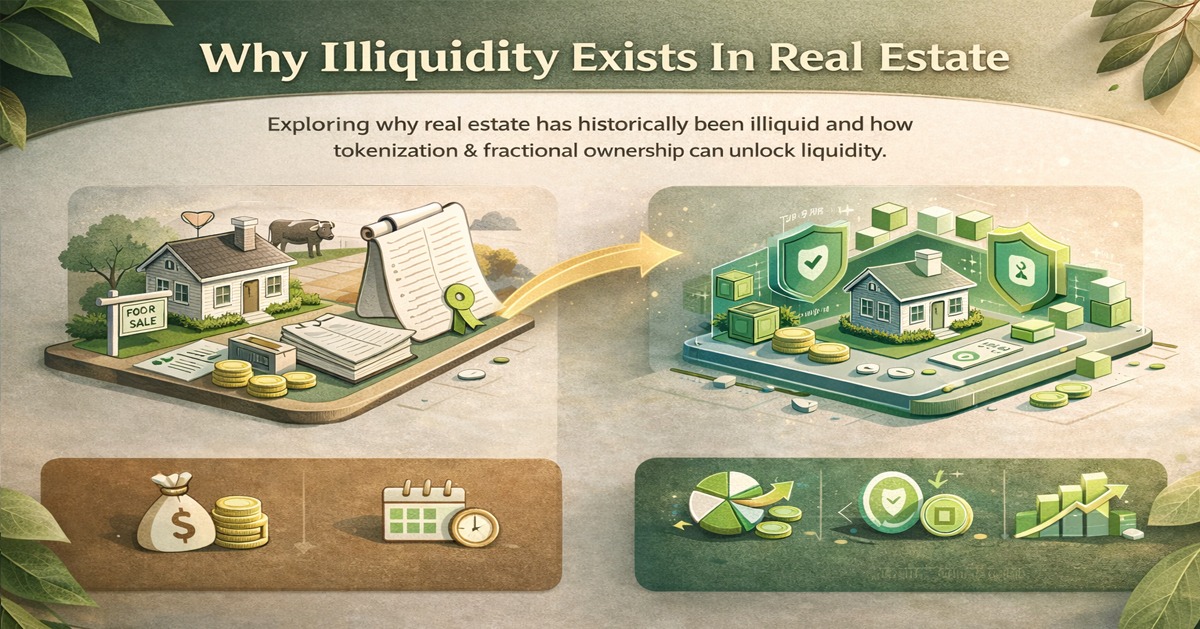
Why Illiquidity Exists In Real Estate
Real estate has historically been illiquid due to high transaction costs, slow and complex processes, property uniqueness, and large all-or-nothing ownership requirements that limit the number of buyers and slow market activity. Tokenization and fractional ownership address these constraints by breaking properties into smaller digital units, enabling faster transfers, broader participation, and the formation of secondary markets. Together, these tools improve liquidity and efficiency while allowing both investors and developers to unlock capital, diversify risk, and modernize real estate participation without sacrificing its long-term value.
Welcome to The Genesis Event
LiquidManzana’s Genesis Event marks the official launch of a fully regulated, tokenized real estate platform in San Salvador, highlighting a shift toward more accessible, transparent, and digitally native property investment under El Salvador’s digital asset framework. The event introduces a new investment paradigm built on fractional ownership, global participation, and regulatory clarity, demonstrating that real-world asset tokenization is live and operational. Alongside the launch, LiquidManzana unveils its utility token, LQDM, which serves as the platform’s core access and liquidity layer, enabling compliant interaction with tokenized real estate and supporting long-term ecosystem growth.
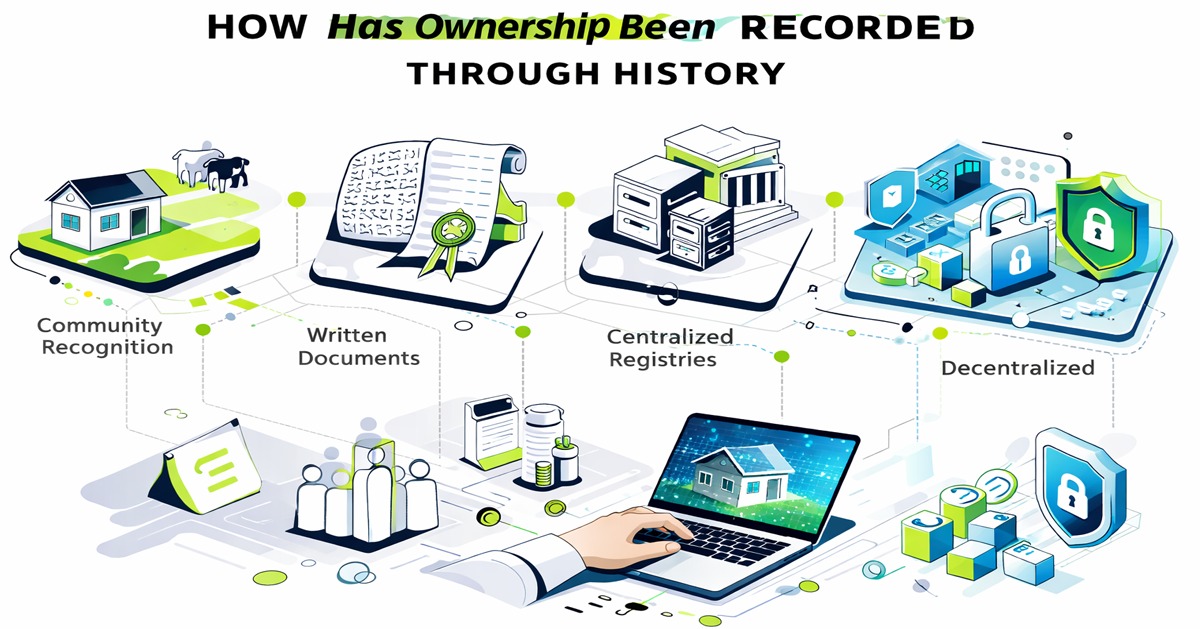
How Has Ownership Been Recorded Through History?
This blog post traces how ownership records have evolved from informal community recognition to written documents, centralized institutions, and modern digital databases, showing how each step improved coordination while creating new challenges. It highlights the weaknesses of today’s ownership systems, including centralization, slow processes, limited transparency, and restricted access. The piece then explains how decentralized systems, cryptography, and tokenization offer a modern alternative that makes ownership records more secure, transparent, efficient, and accessible in a global digital economy.

Why Real Estate Became A Store Of Value
We review why real estate became one of the world’s most trusted stores of value, tracing its evolution from scarce, useful land protected by legal systems to a globally traded financial asset. It highlights how traditional real estate markets grew more structured but also more exclusive and inefficient over time. Finally, it shows how tokenization, transparency, and immutable ledgers can modernize real estate by improving access, trust, and efficiency while preserving its long-term value in a digital economy.
What Makes Something Property?
Today, we're taking a look at what ownership really means by showing how property is defined by rights, trust, and shared recognition, not just physical possession. It traces the evolution of ownership from simple community-based control to legal systems and institutional records, and then looks ahead to a future shaped by digital assets, decentralization, and tokenization. In this future, ownership becomes more transparent, fractional, and globally accessible, opening the door to broader participation and new economic opportunities.
What is LiquidManzana?
LiquidManzana is opening real estate investment to more people by turning land and property rights into small, digital tokens that can be bought, owned, and traded online within clear legal frameworks. It highlights why tokenized real estate is a powerful bridge between traditional property and modern digital finance, making investing faster, more transparent, and accessible at much smaller amounts. It also introduces The Genesis Event as a milestone moment that signals a shift toward inclusive, global real estate participation built on blockchain, fractional ownership, and modern financial infrastructure.
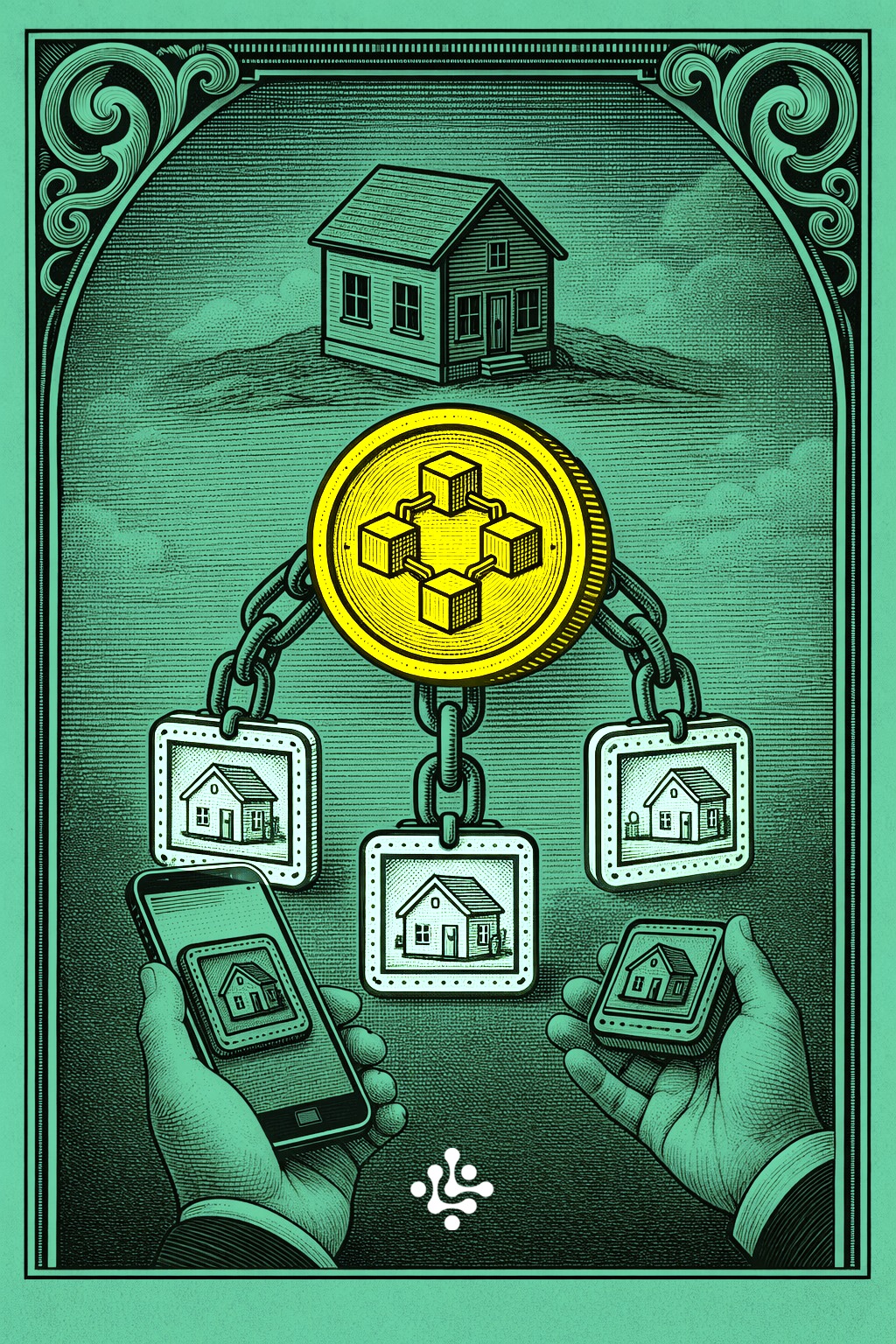

What is Tokenized Real Estate?
In this article, we explain how tokenized real estate turns properties into small digital tokens, allowing people to own and trade fractions of real buildings instead of buying an entire property. It shows how this model lowers costs, reduces paperwork, and makes investing faster, safer, and accessible to more people around the world. Overall, it highlights how tokenization could reshape real estate markets by increasing participation, transparency, and global access.
.jpeg)
.jpeg)
What is a Tokenized Real World Asset (RWA)?
Today we explain how tokenized real-world assets turn physical items like property, gold, or art into digital tokens that are easier to access, trade, and verify using blockchain technology. It highlights how tokenization lowers barriers to investing, increases transparency and security, and allows assets to move quickly across borders without traditional delays. Together, these changes show how tokenized assets can modernize financial markets and reshape investing by making it more open, efficient, and global.
.jpeg)
.jpeg)
What Are Tokenized Assets?
Today, we explain why tokenization has gained so much attention by showing how it breaks large, expensive assets into smaller digital pieces that are easier to buy, trade, and use. It highlights how blockchain makes ownership clearer, reduces middlemen, and allows assets to move faster and work with automated digital tools. It also shows why tokenization matters for modern finance and positions LiquidManzana as a platform focused on applying these ideas within clear legal, security, and regulatory frameworks.
.jpeg)
.jpeg)
What is a Cryptocurrency?
LiquidManzana explains what cryptocurrencies are and how they work, showing how digital money uses blockchains and cryptography to move value securely without banks or governments. It highlights why cryptocurrencies are a major technological breakthrough, enabling fast, global, and trust-based payments while inspiring new tools like tokenized assets and smart contracts. It also shows how cryptocurrencies can increase financial freedom and inclusion by giving people direct control over their money and access to global financial systems using only a phone and the internet.
.jpeg)
.jpeg)
How Do Blockchains Verify Transactions?
Join us as we take a look at how blockchain consensus works, showing how many computers work together to agree on which transactions are real so the system stays fair and secure without a central authority. It describes how blockchains verify valid transactions, stop double spending, and automatically reject invalid ones through shared checks and permanent records. The overview also compares mining and staking, explaining how each method helps protect the network and decide who adds new blocks in different but reliable ways.
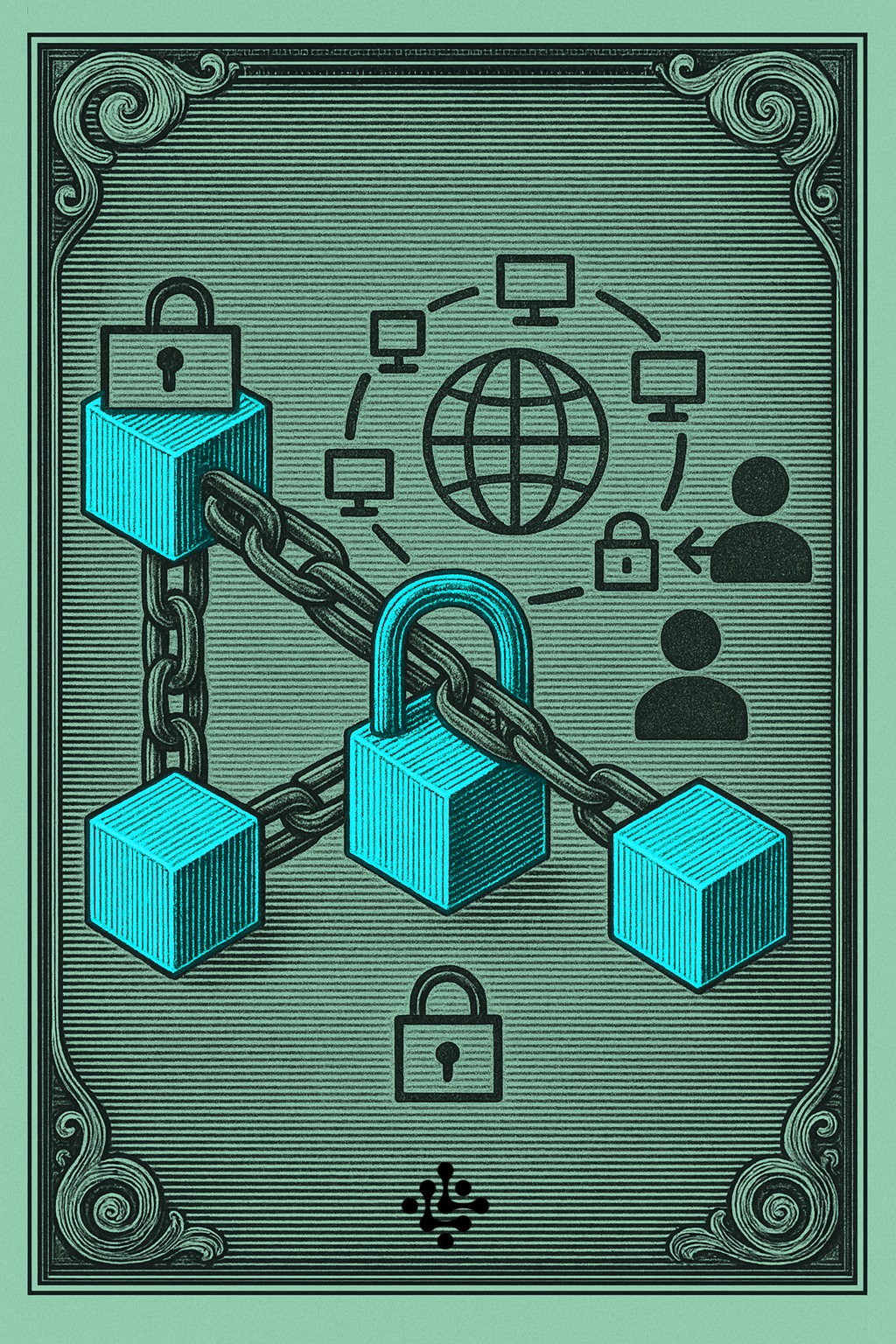

How Do Blockchains Work?
Join us as we explain how blockchains work behind the scenes, showing how transactions are grouped into secure blocks, checked by many computers, and added through shared agreement so the records cannot be changed. It highlights how this design protects financial data, creates transparency, and removes the need for a single trusted middleman. Together, these features make blockchains especially effective for digital money and assets by enabling fast transfers, clear ownership, and secure, always-on financial systems.
.jpeg)
.jpeg)
What Is A Blockchain?
This article explains why blockchains are exciting and transformative, showing how they create secure, shared records that cannot be changed and do not rely on a single authority. It describes how this technology modernizes finance by enabling faster payments, greater transparency, and new tools like smart contracts without traditional middlemen. It also shows how blockchains power tokenized assets, making real-world value easier to own, trade, and protect in a fully digital, global system.
.jpeg)
.jpeg)
Why Is Trust Important For Digital Finance?
Join us as we explain why trust is essential in a digital economy, where money and value exist mostly as information rather than physical objects. It compares how trust is built in traditional finance through banks, laws, and consumer protections versus decentralized systems, where trust comes from technology like blockchains and cryptography instead of institutions. Together, it shows that whether through banks or decentralized networks, trust is the foundation that allows digital payments and digital assets to function safely and reliably.


Why Are Ledgers Important for Digital Finance?
this article explains how businesses track and understand money using ledgers, from ancient record-keeping to modern digital systems, and why accurate accounting is essential for making decisions. It then shows how decentralized ledgers like blockchains transform this process by creating shared, tamper-proof records and enabling triple-entry accounting. Finally, it explains how tokenized assets use these decentralized ledgers to provide stronger security, clear ownership, and greater transparency in digital finance.
.jpeg)
.jpeg)
What's The Difference Between Digital Value vs. Physical Value?
We take a look at how value can exist in both physical items we can touch, like homes or gold, and digital forms we can’t, such as bank balances, cryptocurrencies, and tokens, with each gaining worth from usefulness, trust, and the ability to trade. It traces the rise of digital value transfer from early electronic payments to Bitcoin, stablecoins, and DeFi, showing how money has become faster and more global. It also explores how tokenization may reshape how people see ownership and value by making assets easier to share, verify, and move digitally.

What is Money? A Short Recap on How We Buy & Sell
Long ago, people traded things directly, like food for tools, which was called bartering. Over time, they started using items like shells, metal coins, and paper money to make trading easier. Later, money became mostly numbers on computers, like what you see in a bank app or when you use a credit card. Today, money is changing again with digital assets, which use computers and special math to move value quickly around the world, showing how money keeps evolving as technology grows.

Overview Of The Current Real Estate Market
We are currently living through an exciting - some may say scary - time in history, where the economic landscape is changing rapidly; and those who struggle to keep up will be left behind. Real Estate is currently a ~250 trillion dollar industry. That in itself presents both risk and opportunity - both of which investors need to be acutely aware of.