
How Platforms Detect Fraud and Suspicious Activity
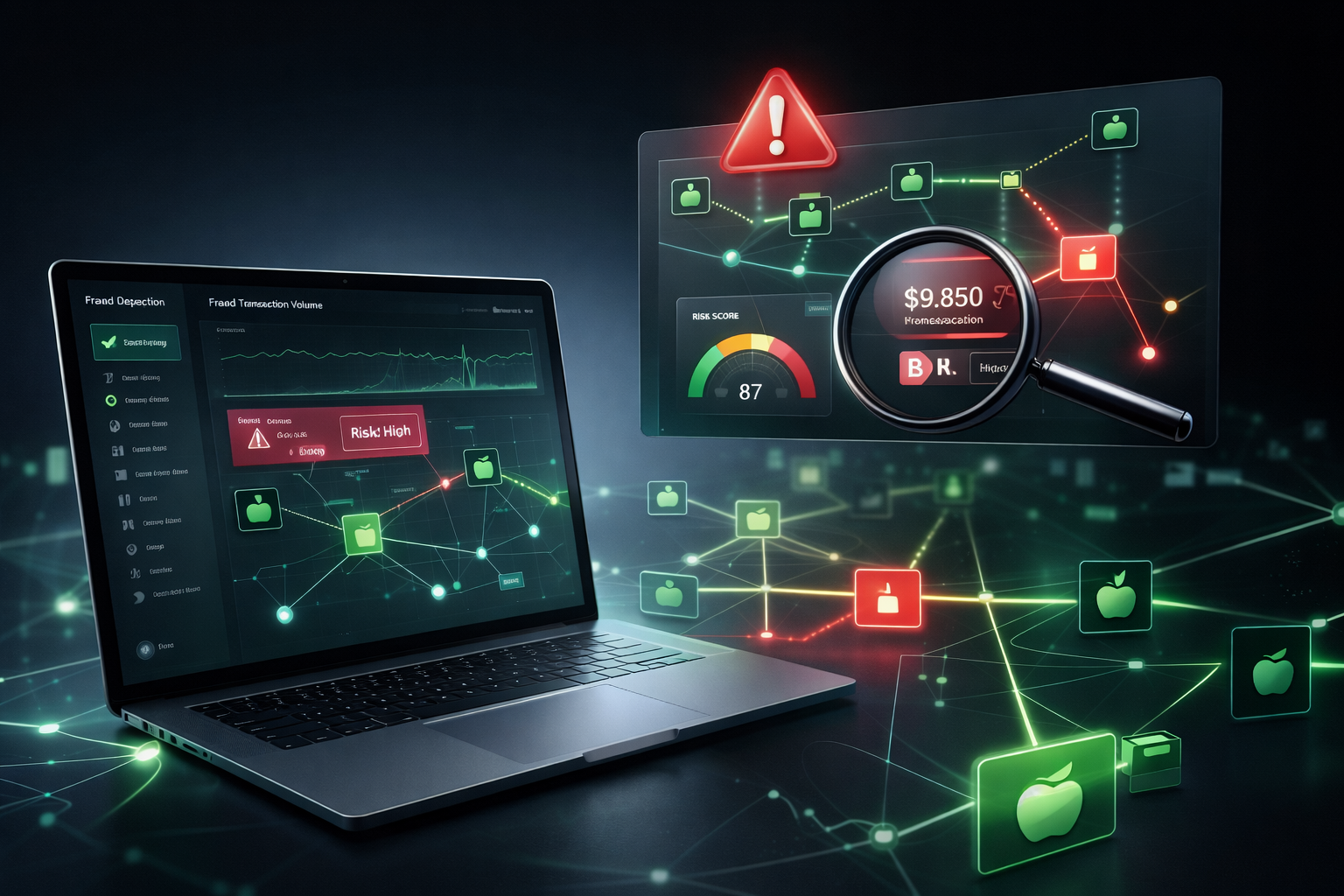

As digital asset markets grow, so does the importance of identifying and preventing fraud. Platforms that facilitate the movement of money and assets operate in environments where transactions can happen quickly, globally, and often without traditional intermediaries. While this creates efficiency, it also introduces new risks. To address this, modern platforms rely on a combination of technology, monitoring systems, and compliance frameworks to detect suspicious activity and maintain market integrity.
At the core of fraud detection is transaction monitoring. Platforms continuously analyze activity across accounts to identify unusual patterns. This can include rapid movement of funds between accounts, sudden spikes in trading behavior, or transactions that do not match a user’s historical activity. These signals do not automatically indicate wrongdoing, but they help flag activity that may require further review. By comparing behavior against expected norms, platforms can identify anomalies early and respond before risks escalate.
Another important layer is identity verification and account profiling. Through processes such as Know Your Customer (KYC) and Know Your Business (KYB), platforms establish a baseline understanding of who is using the system. This allows them to detect inconsistencies, such as multiple accounts linked to the same identity, mismatched geographic data, or attempts to bypass onboarding requirements. When identity data is combined with behavioral monitoring, platforms can build a more complete picture of user activity and assess risk more effectively.
Platforms also use risk scoring systems to evaluate the likelihood that a transaction or account may be associated with fraudulent or illicit behavior. These systems assign scores based on a range of factors, including transaction size, frequency, counterparties, and exposure to known high-risk addresses or entities. For example, if funds interact with wallets previously linked to scams or illicit activity, the associated transactions may receive a higher risk score. This allows platforms to prioritize reviews and take action where needed.
In addition to internal monitoring, many platforms rely on blockchain analytics tools to track the flow of funds across public ledgers. Because blockchain transactions are transparent and traceable, these tools can map relationships between wallets and identify patterns associated with known fraud schemes. This includes activities such as layering (moving funds through multiple accounts to obscure origin), structuring (breaking large transactions into smaller ones), or interacting with sanctioned or flagged addresses. By leveraging these insights, platforms can extend their visibility beyond their own systems.
When suspicious activity is detected, platforms typically follow a structured response process. This may include temporarily restricting an account, requesting additional information from the user, or escalating the case to compliance teams for deeper investigation. In certain cases, platforms may be required to report activity to relevant authorities in line with regulatory obligations. These processes are designed not only to mitigate immediate risk but also to contribute to broader efforts to prevent financial crime.
It is important to recognize that fraud detection is not about eliminating risk entirely, but about managing it responsibly. As new technologies and behaviors emerge, detection systems must continuously evolve. This includes updating monitoring rules, improving data models, and adapting to new types of threats. Platforms that invest in these capabilities are better positioned to protect users, maintain trust, and support the long-term development of digital asset markets.
Detecting fraud and suspicious activity is a shared responsibility between platforms, regulators, and users. While platforms build the infrastructure to monitor and respond to risks, users also play a role by understanding how to protect their accounts and recognize potential threats. Together, these efforts help create a more secure and transparent financial environment where innovation can continue to grow alongside trust.