
¿Qué Hace Que Algo Sea Propiedad?
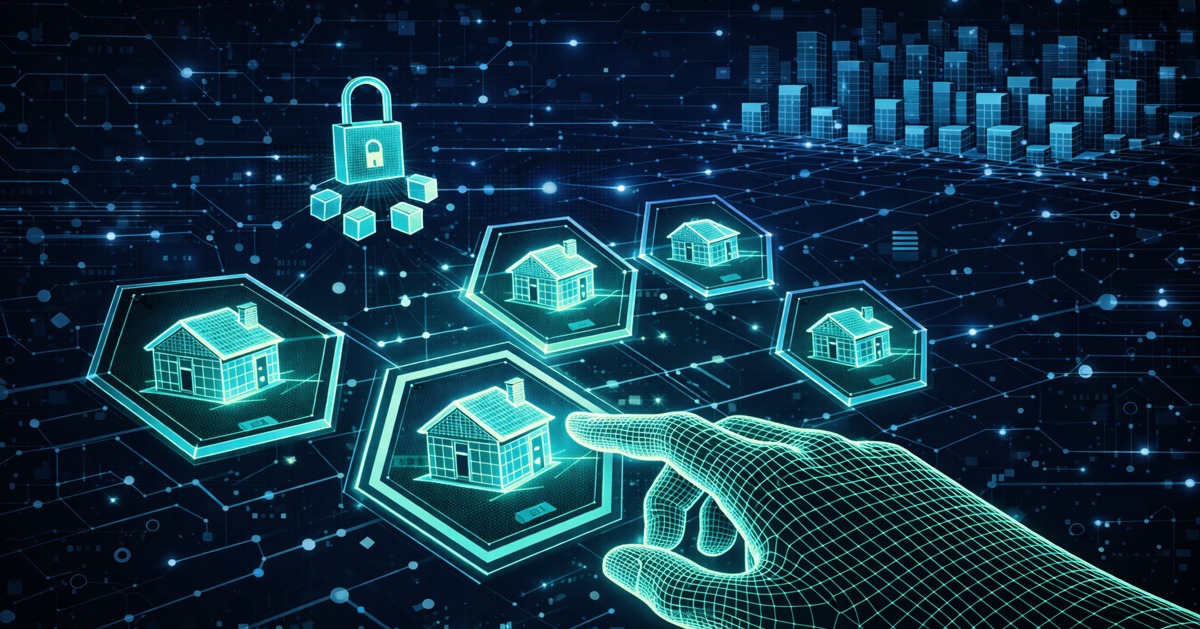

Hoy analizamos el concepto de propiedad y lo que realmente significa poseer algo, mostrando cómo la propiedad se define por derechos, confianza y reconocimiento compartido, más que solo por la posesión física. Se explica cómo la propiedad evolucionó desde el control comunitario simple hasta los sistemas legales formales, y luego hacia registros digitales más abstractos gestionados por instituciones. Finalmente, se mira hacia un futuro moldeado por la tokenización, donde la propiedad se vuelve más transparente, fraccionada y accesible a nivel global mediante sistemas digitales que amplían la participación y las oportunidades.
¿Qué Significa Realmente Ser Dueño de Algo?
La propiedad es algo que puede ser poseído, controlado y reconocido como perteneciente a alguien. En su esencia, la propiedad existe cuando una persona o grupo tiene el derecho aceptado de usar algo, beneficiarse de ello y decidir qué sucede con ese bien. Esto puede aplicarse a cosas físicas como tierras, edificios u objetos, pero también a elementos no físicos como ideas, activos digitales o derechos contractuales. Lo que hace que algo sea propiedad no es solo su forma física, sino el acuerdo social y legal de que pertenece a alguien.
Otra parte clave de la propiedad es la exclusividad. La propiedad otorga al dueño la capacidad de excluir a otros de usarla o tomarla sin permiso. Esto no siempre significa control absoluto, pero sí implica que existen límites claros sobre quién tiene derechos sobre el activo. Estos límites se hacen cumplir mediante leyes, costumbres o reglas compartidas dentro de una sociedad. Sin un sistema que respete y haga cumplir estos límites, la propiedad sería incierta y perdería su significado.
La propiedad también implica transferibilidad. Algo se convierte en propiedad cuando puede venderse, compartirse, arrendarse, heredarse o transferirse de otra manera de un dueño a otro. Esta capacidad de mover la propiedad es lo que permite que existan los mercados y que el valor se cree con el tiempo. Ya sea un terreno, una acción de una empresa o un token digital, la propiedad debe poder reasignarse de forma clara, conservando los derechos asociados.
Finalmente, la propiedad está ligada al reconocimiento y la confianza. La propiedad solo funciona cuando otros la reconocen y la respetan. Este reconocimiento puede provenir de gobiernos, tribunales, contratos o sistemas descentralizados como las blockchains. Cuando la propiedad está claramente registrada y es ampliamente aceptada, las personas pueden invertir, construir y planificar el futuro con confianza. Así, la propiedad no se trata solo de poseer cosas, sino de crear sistemas estables que permitan que el valor, la responsabilidad y la oportunidad existan a lo largo del tiempo.
¿Cómo Ha Cambiado la Propiedad a lo Largo de los Años?
La propiedad ha cambiado mucho con el tiempo, comenzando con ideas muy simples de posesión. En las sociedades antiguas, la propiedad solía basarse en el control físico y el reconocimiento comunitario. Si alguien usaba un terreno, herramientas o animales y la comunidad aceptaba que eran suyos, eso constituía propiedad. Había pocas reglas escritas, y la confianza se construía mediante costumbres, tradiciones y entendimientos compartidos. La propiedad estaba estrechamente ligada a la supervivencia y la vida diaria, no a sistemas formales ni a documentos.
A medida que las sociedades se volvieron más complejas, la propiedad se volvió más estructurada y formal. Los gobiernos y los sistemas legales se desarrollaron para definir y proteger los derechos de propiedad. Escrituras, contratos y leyes escritas hicieron que la propiedad fuera más clara y exigible, especialmente en el caso de tierras y edificios. Este cambio permitió que la propiedad se extendiera más allá de la posesión física, haciendo posible alquilar propiedades, heredarlas o venderlas a personas lejanas. La propiedad pasó a ser algo que podía demostrarse con documentos, no solo con el uso.
Con el auge de los bancos, las corporaciones y los mercados globales, la propiedad se volvió aún más abstracta. Las personas comenzaron a poseer cosas que no podían tocar ni controlar directamente, como acciones de empresas, saldos bancarios o propiedad intelectual. La confianza se desplazó de las relaciones personales hacia las instituciones que mantenían registros y hacían cumplir los derechos. La propiedad pasó a representarse mediante anotaciones en libros contables y bases de datos, permitiendo que el valor se moviera más rápido y a mayores distancias.
Hoy, la propiedad está entrando en otro gran cambio gracias a los sistemas digitales y la tecnología descentralizada. Los activos digitales, los tokens y las blockchains permiten registrar y transferir la propiedad sin depender por completo de instituciones centrales. Las personas pueden mantener y mover activos directamente usando claves criptográficas, mientras que los libros contables digitales compartidos ofrecen verificación pública. Esta evolución está redefiniendo la propiedad como algo global, programable y accesible en escalas más pequeñas, abriendo nuevas posibilidades sobre cómo se posee, se comparte y se confía en la propiedad en el mundo moderno.
¿Cómo Será la Propiedad en el Futuro?
La Propiedad en la Era Digital y Tokenizada
Hoy en día, la propiedad se define cada vez más por registros digitales y la tokenización, en lugar de documentos físicos. A través de la tokenización, los derechos de propiedad, los activos financieros e incluso los derechos de acceso pueden representarse como tokens digitales en sistemas seguros y descentralizados, sin un único punto de falla. Estos tokens actúan como pruebas claras de propiedad que pueden verificarse al instante y compartirse a nivel global. En lugar de depender de oficinas locales o documentos en papel, la propiedad se vuelve portátil, transparente y respaldada por tecnología difícil de alterar o disputar.
Propiedad Fraccionada Habilitada por la Tokenización
La tokenización ha transformado la propiedad de un concepto de todo o nada en algo flexible y compartido. Al dividir los activos en tokens digitales, las personas pueden poseer pequeñas partes de bienes raíces, empresas u otros activos valiosos. Esto hace que la propiedad sea más asequible y accesible para un público más amplio, no solo para instituciones o personas con gran patrimonio. La tokenización permite que muchas personas participen en el valor de un activo, manteniendo registros claros de quién posee cada parte.
Confianza, Transparencia y Verificación Tokenizada
La tokenización fortalece la confianza al incorporar las reglas de propiedad directamente en sistemas digitales. Cuando los activos están tokenizados, cada transferencia o cambio de propiedad se registra en un libro compartido que cualquiera puede verificar. Esto reduce la necesidad de confiar ciegamente en intermediarios, ya que el historial de propiedad es visible y resistente a manipulaciones. Los sistemas tokenizados ayudan a prevenir fraudes, simplificar auditorías y crear una única fuente de verdad sobre la propiedad a través de mercados y fronteras.
La Propiedad Tokenizada como Puerta a la Oportunidad
A medida que la propiedad se vuelve tokenizada, también se convierte en una poderosa herramienta para la inclusión económica y la movilidad social. La tokenización reduce las barreras de entrada, permitiendo invertir montos más pequeños, acceder a oportunidades globales y construir patrimonio con el tiempo. Los activos pueden negociarse con mayor facilidad, usarse como garantía o combinarse con herramientas financieras digitales. De este modo, la propiedad tokenizada transforma la propiedad de un concepto estático y restringido en un sistema dinámico que amplía la participación y las oportunidades en la economía moderna.