
¿Cómo Funcionan las Blockchains?
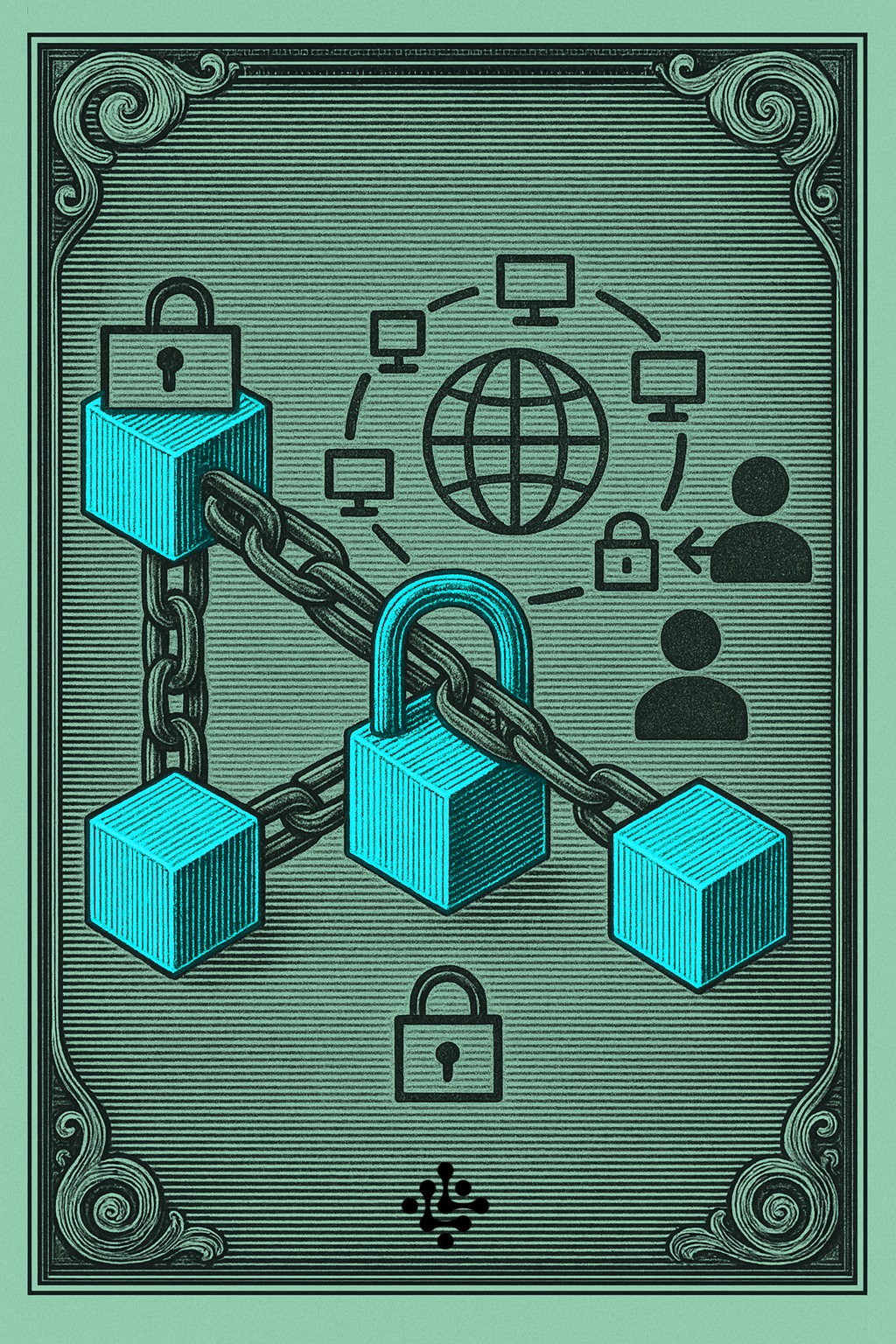

Una blockchain mantiene la información segura guardándola en bloques que están cerrados con matemáticas muy fuertes y unidos entre sí para que nadie pueda cambiarlos después. Muchas computadoras en todo el mundo comparten el mismo registro y trabajan juntas para revisar cada transacción y asegurarse de que sea real. Todas deben estar de acuerdo antes de que algo nuevo se agregue, lo que hace que hacer trampa sea casi imposible. Como todos pueden ver la historia de los bloques (pero no los nombres de las personas), el sistema se mantiene claro, honesto y seguro para el dinero digital y otros activos en línea.
¿Qué Está Pasando Detrás de Escena?
Una blockchain funciona guardando información en pequeños grupos llamados bloques. Cada bloque tiene una lista de transacciones, que son registros de quién envió algo a quién. Cuando un bloque se llena, se cierra usando matemáticas especiales llamadas criptografía, que sirven para proteger los datos. Estas matemáticas crean un código, como una huella digital secreta, que demuestra que el bloque no ha sido cambiado. Después de cerrarse, el bloque se conecta al bloque anterior, formando una cadena larga; por eso se llama blockchain.
Muchas computadoras alrededor del mundo, llamadas nodos, ayudan a mantener la blockchain funcionando. Todas tienen una copia de la cadena, así que pueden revisar cualquier información nueva. Cuando alguien quiere agregar una transacción, los nodos trabajan juntos para decidir si es real. Revisan si la persona que envía el dinero realmente lo tiene y si la transacción sigue las reglas. Solo cuando la mayoría está de acuerdo, la transacción puede añadirse a un nuevo bloque.
Agregar un bloque nuevo requiere un proceso llamado consenso, que significa “todos están de acuerdo”. Las blockchains usan diferentes métodos para esto. Bitcoin usa Proof-of-Work (PoW), donde las computadoras resuelven puzzles difíciles para ganar el derecho de agregar el bloque. Otras blockchains usan Proof-of-Stake (PoS), donde las computadoras se eligen según cuántos tokens tienen. Estos sistemas ayudan a evitar trampas y mantienen la blockchain segura.
Una vez que un bloque se agrega a la cadena, no puede ser cambiado. Si alguien intentara reescribir un bloque, todos los códigos secretos que conectan los bloques se romperían y cada nodo notaría el error. Esto hace que la blockchain sea extremadamente segura y confiable. Gracias a las matemáticas, las reglas compartidas y miles de computadoras trabajando juntas, la blockchain mantiene la información clara, segura y igual para todos los que la usan.
¿Cómo protege una Blockchain los datos Financieros y Asegura la Transparencia?
Una blockchain mantiene la información financiera segura al guardarla en muchas computadoras alrededor del mundo en lugar de solo una. Esto hace que sea muy difícil para los hackers entrar o cambiar algo, porque tendrían que atacar miles de computadoras al mismo tiempo. Cada bloque está protegido con criptografía, matemáticas fuertes que protegen los datos. Solo alguien con la llave digital correcta puede abrir o mover la información, así que nadie puede robarla o cambiarla sin permiso.
Las blockchains también se mantienen seguras porque cada transacción se revisa antes de ser agregada. Cuando alguien envía dinero digital o un token, muchas computadoras revisan que la transacción sea real. Verifican que la persona que envía realmente tenga el dinero y que no intente gastarlo dos veces. La transacción solo se acepta cuando la mayoría está de acuerdo en que sigue las reglas. Esta revisión compartida hace que sea muy difícil engañar al sistema.
Las blockchains también hacen la información clara para todos. En la mayoría de las blockchains, cualquiera puede ver la lista de transacciones y cómo se movió el dinero. No se pueden ver los nombres reales, solo las direcciones digitales, así que la privacidad se mantiene. Es como ver el marcador de un juego sin saber quiénes son los jugadores. Esto ayuda a que la gente confíe en que el sistema es justo.
Como cada bloque está conectado al anterior, nadie puede cambiar un registro una vez que se agrega. Si alguien intentara cambiar o borrar una transacción, la cadena entera se rompería y la red la rechazaría. Esto hace que la historia de la blockchain sea fuerte y confiable. Con seguridad fuerte, revisiones compartidas y registros claros, las blockchains mantienen los datos financieros seguros mientras muestran que el sistema funciona honestamente.
¿Por qué son tan efectivas las Blockchains para el Dinero Digital y los Activos?
Las blockchains son muy buenas para el dinero digital y los activos digitales porque mantienen todo seguro y fácil de confiar. En lugar de que un solo banco guarde todos los registros, una blockchain comparte la información entre muchas computadoras en todo el mundo. Esto significa que nadie puede cambiar en secreto quién es el dueño de qué. Cada transacción se revisa en la red, lo que ayuda a evitar trampas y hace que el dinero digital sea mucho más seguro de usar.
Las blockchains también son rápidas. Normalmente, enviar dinero, especialmente a otro país, puede tardar días porque los bancos deben revisarlo. Pero con una blockchain, las personas pueden enviar dinero digital o tokens directamente en segundos o minutos. No hay intermediarios que retrasen el proceso, y el sistema nunca cierra. Puedes enviar o intercambiar activos digitales a cualquier hora, cualquier día.
Las blockchains hacen que la propiedad sea muy clara. Cuando eres dueño de una moneda o token digital, la blockchain escribe tu propiedad en un registro permanente que cualquiera puede ver. No necesitas confiar en un banco para llevar el control. En cambio, tú controlas tu propia billetera digital con una llave privada que solo tú conoces. Esto hace que sea difícil falsificar o robar tus activos y te da más control sobre tu propio dinero.
Las blockchains también permiten usar contratos inteligentes, que son programas especiales que se ejecutan solos cuando se cumplen ciertas reglas, como enviar dinero o cambiar propiedad. Esto ayuda a reducir errores y elimina la necesidad de papeleo o intermediarios. Con pagos rápidos, seguridad fuerte, registros claros y automatización útil, las blockchains hacen que el dinero digital y los activos digitales sean más fáciles, seguros y poderosos para todos.